• Skip to secondary menu
  • Skip to main content
  • Skip to primary sidebar
  • Skip to footer
  • Home
  • About
    • Email Me
    • Disclosure & Copyright
  • Start Here
  • Subscribe
  • Privacy Policy
  • Books for Moms

Creative Family Fun

Your one-stop shop for kids activities and family fun

  • Facebook
  • Instagram
  • Pinterest
  • Twitter
  • Spelling Activities
  • Family Fun
  • STEM
  • Movie Night
  • Toddler Activities

Math Activities for Kids

10 Simple Ways to Practice Counting On

February 17, 2017 By Terri Thompson

Sometimes the kids come home from school way too tired to want to do anything, especially a learning game.

And, who can blame them? School is a lot of work!

If you’re like me, you’re looking for some simple ideas. Ideas that you can do in five minutes that won’t make the kids feel even more tired than they already are.

Here are ten super simple ideas to practice the math concept of counting on. You can do them on the walk home from school, at snack time, or even in the car. These ideas couldn’t be easier or more fun.
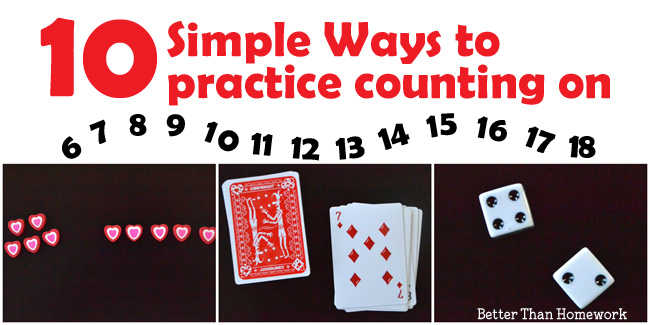
10 Simple Ways to Practice Counting On

Disclosure: This post contains Amazon Affiliate links. Please see my Disclosure Page for more details.

What is counting on?

Counting on is a simple skill, but also an essential skill.

Simply put, it’s starting at any number other than one and counting from that point.

Your child will start working on this in kindergarten (and often even earlier). It’s such a useful tool and sets the foundation for addition and subtraction.

If you want to learn more, you can get a more detailed explanation here at Math Homework 101: Counting On.

10 Simple Ways to Practice Counting On

Simple ways to practice counting on

#1 Use math manipulatives such as pennies, mini erasers, pompoms, rocks, etc. Start with a small pile, such as 4 pennies, and ask your child to continue counting the pennies from that point.

#2 Chant or sing. Use the tune of a simple song, like the Alphabet Song or Row, Row, Row Your Boat, and sing your numbers. How far can you get before the song ends?

#3 Go on a walk and count your steps. Start at the number 11 and keep counting. Call out a random number at different parts of the walk and continue counting from there.
10 Simple Ways to Practice Counting On

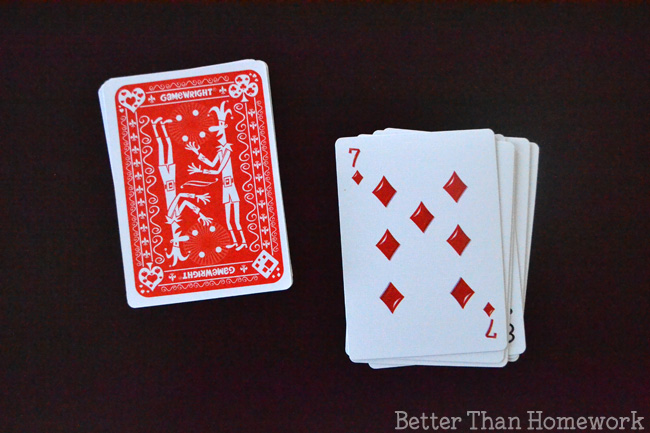
#4 Use playing cards. Simply draw a card and start counting from there or grab some dice to play Counting On: the Card Game, an easy math game from Creative Family Fun.

More fun and simple ways to practice counting on

#5 Practice with a hundred chart. This is a great tool to use when you’re introducing the concept of counting on. Grab a hundred chart (you can find one on this post), pick a random number, and use the chart to help you count.

#6 Count your toys. Grab some LEGOs, toy cars, or any other small toys. Start with a random number and count your toys from that point.
10 Simple Ways to Practice Counting On

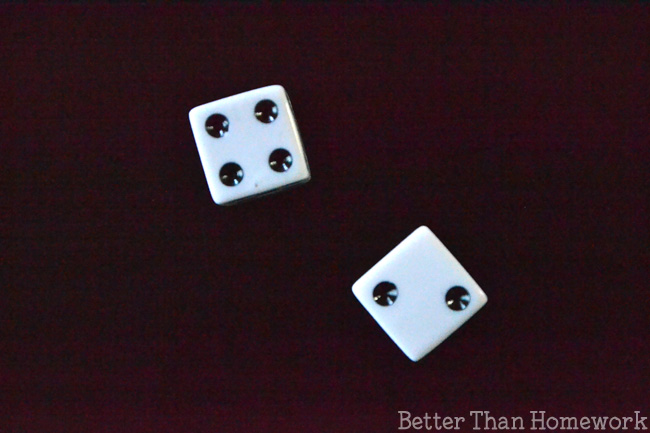
#7 Use dice. Grab a pair of dice and throw them. Count up the total number of dots, and then start from that number to practice counting on. You can play this over and over again!

#8 Count in the car. This is perfect for a busy day. Tell your child to start with the number five and count all the cars they see or they can start with the number 12 and count the mailboxes you drive post. This is a great way to practice math while your driving to and from an after school activity.

#9 Practice on a nature walk. Get out and enjoy nature while your practice counting on. Check out Creative Family Fun for some ideas to practice counting on in nature.

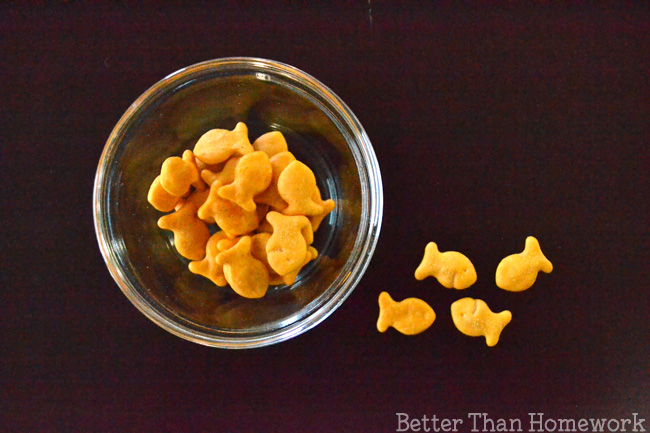
#10 Count your snack. Sneak in a little bit of math practice at snack time and count your Goldfish, pretzels, or even apple slices.
10 Simple Ways to Practice Counting On

It’s so easy to practice counting on at home.

You don’t need to prep an activity or buy any special supplies. You just need to sneak in a few seconds of learning.

So grab a snack or go on a walk and start counting.
10 Simple Ways to Practice Counting On

If you enjoyed this post, the above photo is perfect for sharing on Facebook, or you can share the below photo on Pinterest.
Practice counting on with one of these ideas that use simple supplies that you can do at home. They're easy, hands-on, and fun.

You may also like one of these fun math ideas:

Kindergarten Math: Counting to 100
One Fish Two Fish Number Match

Wacky Mixed-Up Hundred Chart

Driveway Hundred Chart at Creative Family Fun

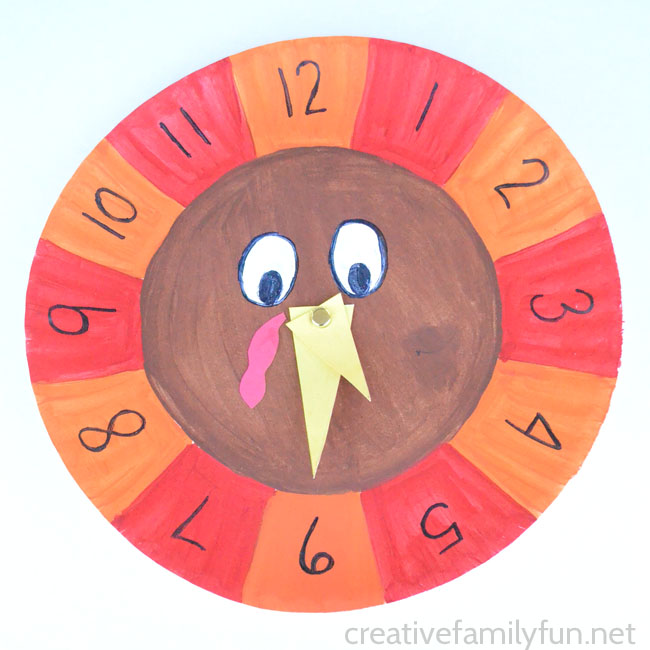
Telling Time with a Turkey Clock

November 18, 2016 By Terri Thompson

How does a turkey tell time?

With a turkey clock, of course!

Okay, okay… I know none of us are trying to teach a turkey how to tell time. But, I know plenty of kids that need to learn.

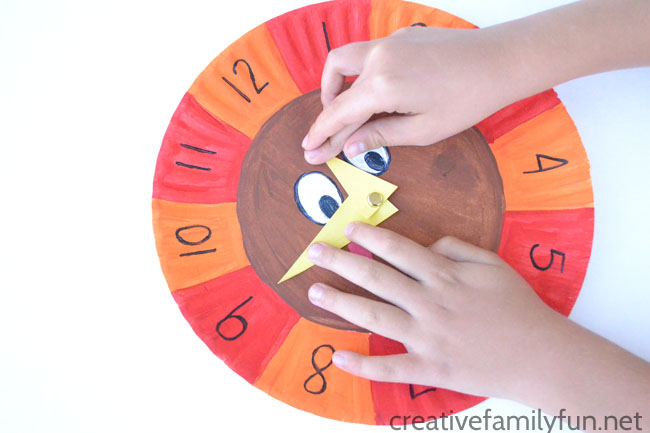
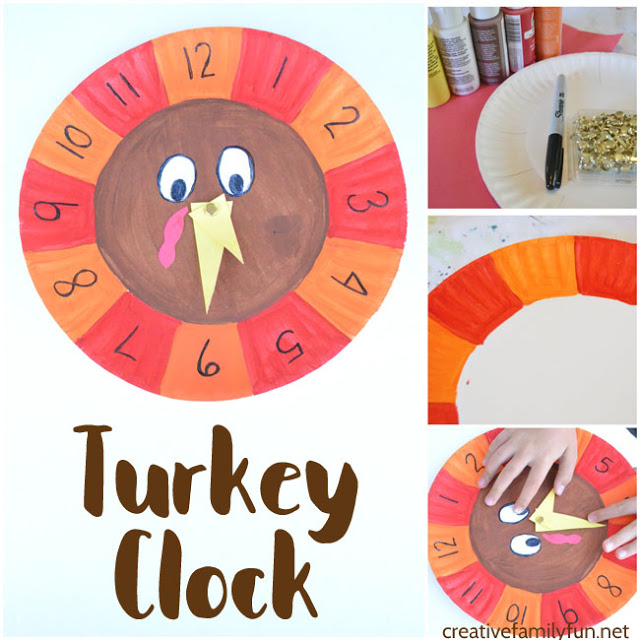
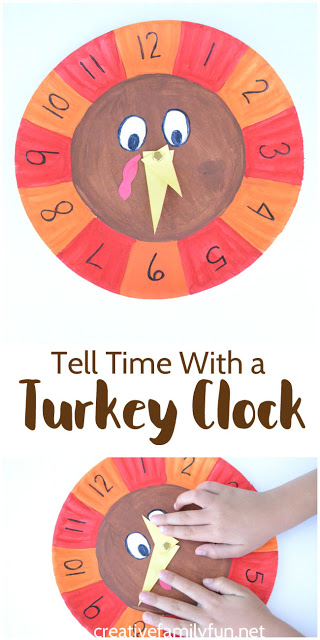
A Turkey Clock is a fun Thanksgiving math activity that will help your kids learn how to tell time.

And, once you’ve made your clock, check out all of our fun Thanksgiving Crafts for Kids here.

Practice telling time with a turkey clock. It's a fun Thanksgiving math activity that your kids will love. It's perfect for homeschool or classrooms.

Let’s gather our supplies and get ready to make this fun paper plate clock.

Disclosure: There are Amazon Affiliate and other affiliate links in this article which means, at no additional cost to you, we could receive compensation for our recommendations. You can read our full disclosure policy on our Disclosure Page for more details.

Practice telling time with a turkey clock. It's a fun Thanksgiving math activity that your kids will love. It's perfect for homeschool or classrooms.

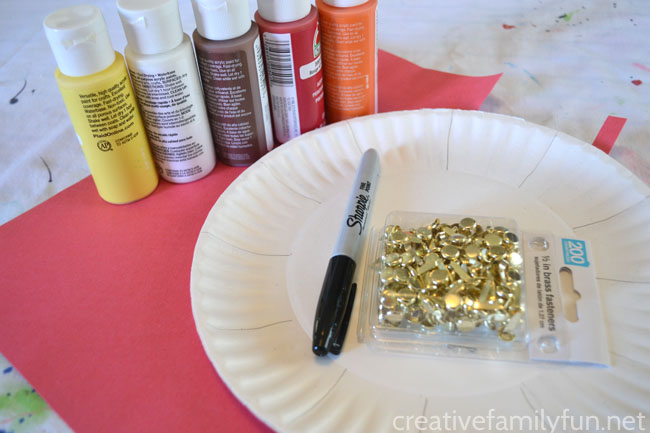
Supplies Needed:

2 paper plates
Orange, red, brown, white, and yellow paint
Red construction paper (you’ll only need a small piece, so a scrap of paper will work)
Ruler
Black permanent marker
Brass fastener
Glue

Practice telling time with a turkey clock. It's a fun Thanksgiving math activity that your kids will love. It's perfect for homeschool or classrooms.

How to Make Your Clock:

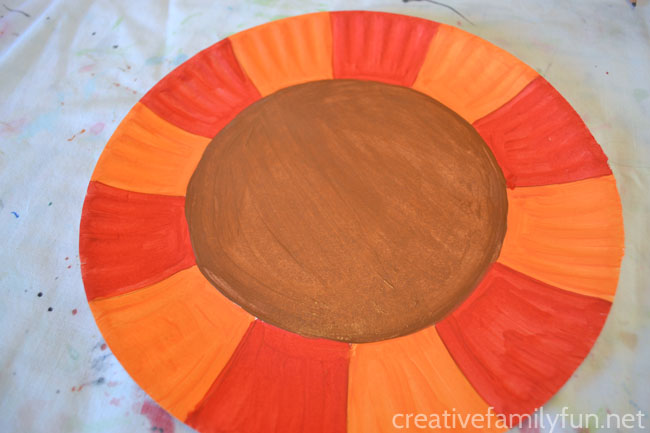
Use your ruler and a pencil to divide the edges of one paper plate into 12 equal sections. This will be your turkey feathers and the numbers on your clock.

Paint each outer section in alternating colors of orange and red.

Paint the round middle section with brown paint.

Practice telling time with a turkey clock. It's a fun Thanksgiving math activity that your kids will love. It's perfect for homeschool or classrooms.

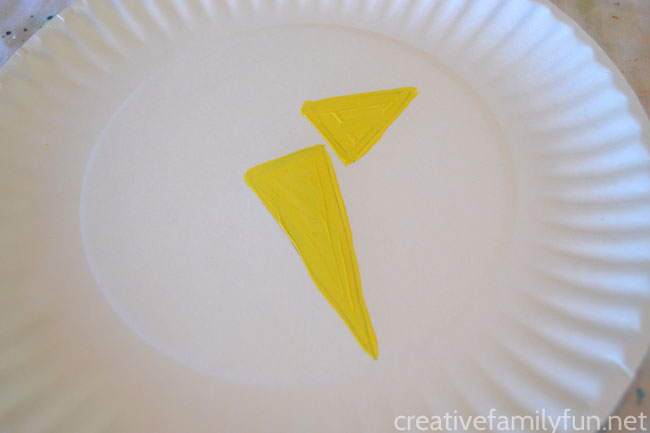
While your turkey is drying, draw two beak shapes on your second paper plate. These will be the hands on your clock, so you will want one beak to be longer than the other.

Paint each beak with yellow paint.

Cut your beaks out once they are dry.

Practice telling time with a turkey clock. It's a fun Thanksgiving math activity that your kids will love. It's perfect for homeschool or classrooms.

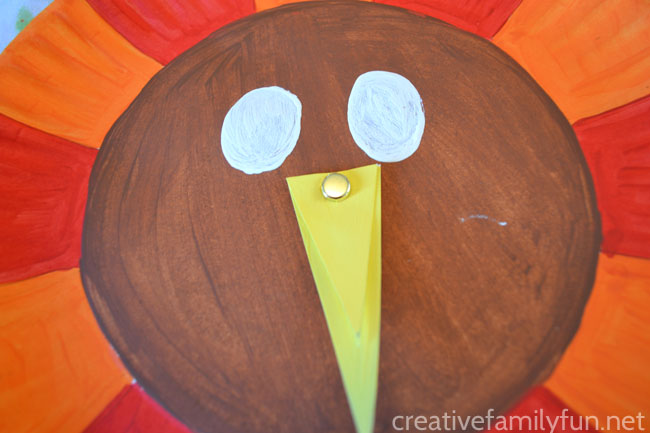
After the brown paint dries, locate the middle of your turkey plate. Put your brass fastener through the wide top of your short beak and then the wide top of your long beak. Attach your beaks to your plate by pushing the fastener through the middle of your turkey plate.

Paint two white ovals above your beaks for the eyes.

Use the red construction paper and cut out a small piece for the wattle. Glue this next to the beaks.

Once all your paint is dry, use your black permanent marker to write your numbers on your clock and add the details to your eyes.

Practice telling time with a turkey clock. It's a fun Thanksgiving math activity that your kids will love. It's perfect for homeschool or classrooms.

How to Play with Your Turkey Clock:

Tell Time: Move the beaks to a specific time. Have your child read the clock and tell you what time it is.

Move the Beaks to a Specific Time: Ask your child to show 3:00 or to show 6:45. Call out different times and have them move the beaks to the correct locations.

Find Elapsed Time: Elapsed time is the amount of time that has passed. You can use your turkey clock to practice calculating elapsed time. Set the clock to a specific time, such as 2:00. Ask your child what time it will be in 30 minutes. Let them use the clock to figure out the new time.

Practice telling time with a turkey clock. It's a fun Thanksgiving math activity that your kids will love. It's perfect for homeschool or classrooms.

This Turkey Clock is a fun tool to use in the classroom or at home to practice telling time. It’s easy to make and a great way to get your kids learning.

Practice telling time with a turkey clock. It's a fun Thanksgiving math activity that your kids will love. It's perfect for homeschool or classrooms.

You may also like one of these fun math activities:

Thanksgiving Math Activities for Kids

Pumpkin Pie Fractions

Apple Counting Rocks

Sidewalk Chalk Clock Game

Turkey Feather Math at Fantastic Fun and Learning

Pick Two – A Fun LEGO Math Game

January 14, 2016 By Terri Thompson

My daughters’ school decided that this month was Math Facts Month. They’ve challenged all the kids to practice math, either fact families or math skills, each night.

They didn’t send home worksheets, flash cards, or any sort of manipulative. They just sent home a simple sheet of ideas and told us to have fun.

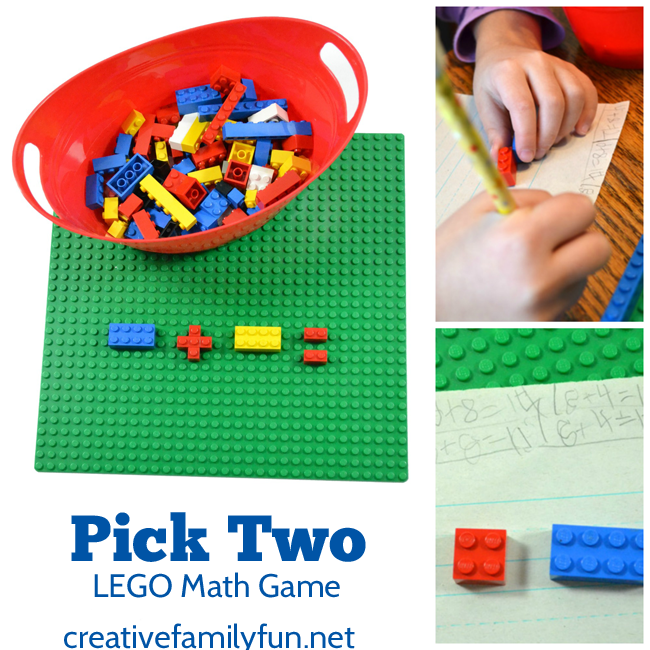
So, I took one of my girls’ current obsession, tossed it together with a little bit of math, and came up with a fun way to practice, Pick Two: LEGO Math Game.

Practice addition, subtraction, or multiplication with this easy LEGO math game for kids. #math #LEGO #education #CreativeFamilyFun

What happens when you combine LEGOs with math? Well, at my house, you end up with a kid who is eager to do as much math as possible. True story.

Maybe this Math Facts Month will be a breeze.

Disclosure: This post contains Amazon Affiliate and other affiliate links. Please see my Disclosure Page for more details.

Grab your LEGO bricks and practice addition with this fun hands-on LEGO math game for early elementary kids. It's such a fun way to do math.

Set up your activity

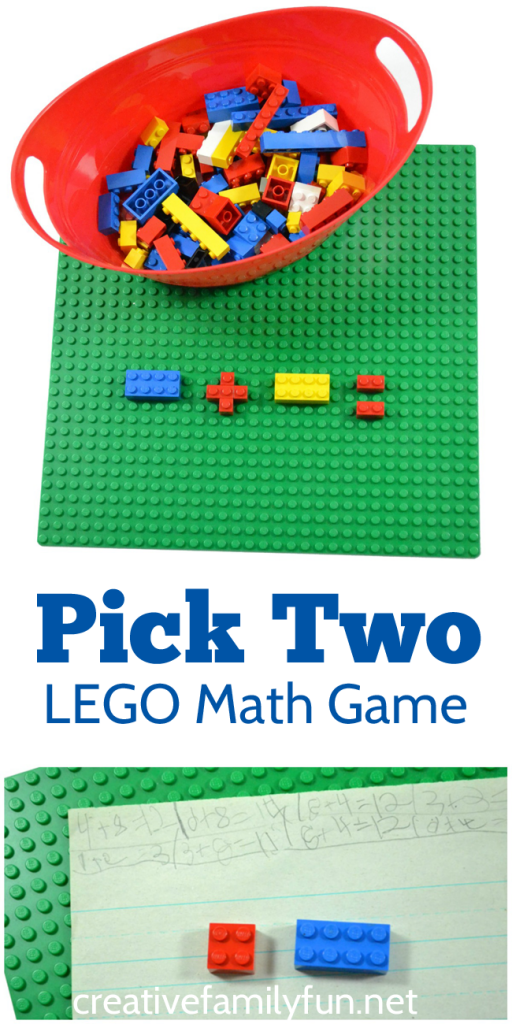
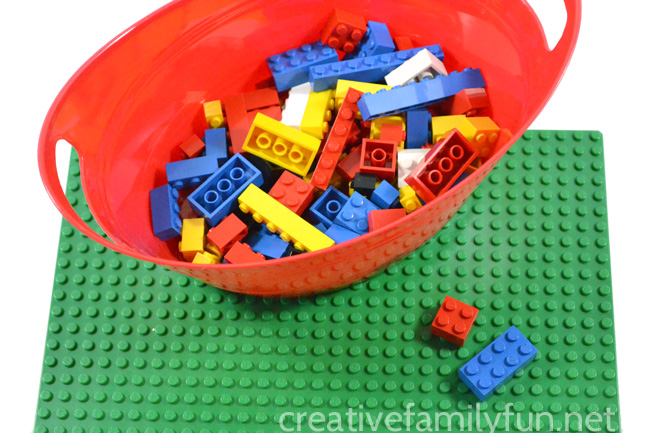
The set-up for this LEGO math game couldn’t be easier. Just grab a container and fill it with LEGO pieces. Try to find a variety of blocks of different shapes and sizes. I only used the basic bricks because the specialty pieces won’t really work well with this game.

I also grabbed a big base plate to give my daughter a place to organize her bricks.

The only other supplies we needed were a pencil and a piece of paper.

Grab your LEGO bricks and practice addition with this fun hands-on LEGO math game for early elementary kids. It's such a fun way to do math.

Play the game

The game itself is very simple.

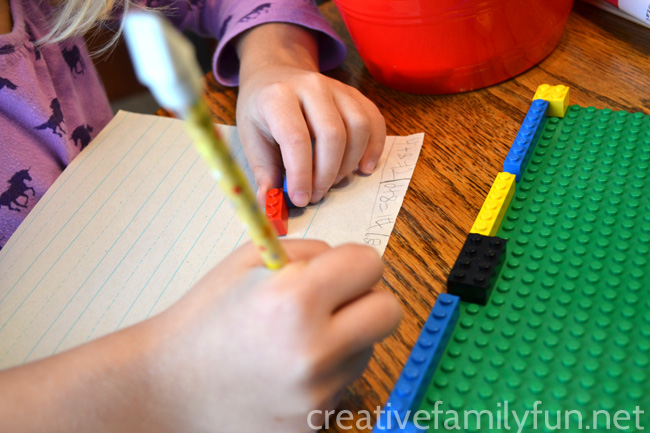
My daughter would close her eyes and grab two LEGO bricks from the bucket. She then wrote out an addition problem for the set she pulled out using the bumps on the each brick.

(By the way, is there a technical term for the bumps on a LEGO? I have no idea!) 

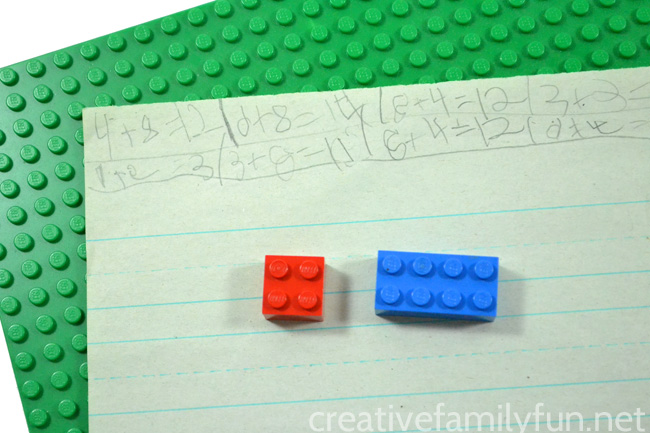
For instance, if she pulled out a brick with 4 bumps and one with 8 bumps, she wrote the equation 8 + 4 =?. She then figured out the answer.

Many times she had to count the total number of bumps to get her answer. That’s okay, it’s all a part of learning to do addition.

Grab your LEGO bricks and practice addition with this fun hands-on LEGO math game for early elementary kids. It's such a fun way to do math.

The best part about this game is that it’s easily adaptable.

Try one of these other versions of this LEGO math game:

Create subtraction problems with your two bricks.

Pull two bricks and multiply the amount of bumps on each brick.

Practice greater than, lesser than, or equal to with your bricks

Your preschooler can decide which brick has the most amount of bumps or the least amount of bumps.

Have your preschooler count the total number of bumps on the two bricks s/he pulls out of the bin.

Grab three or more bricks and add them all together.

Grab four or more bricks and put them in order of largest to smallest, or vice versa.

Thank goodness for LEGO. Math Facts Month is going to be a breeze.

 
Grab your LEGO bricks and practice addition with this fun hands-on LEGO math game for early elementary kids. It's such a fun way to do math.

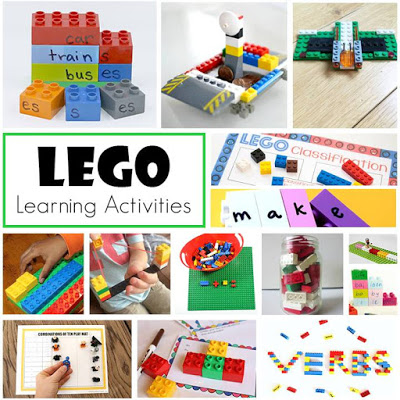
For more fun LEGO ideas, check out these other fun posts from the Early Elementary Blogging Team:

LEGO Classification – Printable Diagrams from Life Over C’s
LEGO number line for Addition and Subtraction from In The Playroom
Hands-On Synonym Blocks Matching Game from Raising Little Superhereos
Spelling With LEGOS! from Preschool Powol Packets
LEGO Boat Engineering Challenge from Handmade Kids Art
Using LEGO to find Syllables from Rainy Day Mum
Area and Perimeter with Lego Duplos from School Time Snippets
Plural Nouns with LEGO from Still Playing School
Combinations of Ten Using Lego Figures from Lemon Lime Adventures
How to do an Lego Engineering Project for Kindergarten, First, or Second Grade from Thriving STEM
Estimating and Probability with LEGO from Planet Smarty Pants
Lego Bar Graphs for First Grade from Look We’re Learning
LEGO Irregular Verb Matching Activity for Second Grade from Sugar Aunts
Exploring Symmetry with a Lego Firefly from Crafty Kids at Home
LEGO Learning Ideas for your kindergartners, first, and second graders.


Math Homework 101: Name-Collection Box

October 27, 2015 By Terri Thompson

Has your child ever brought home homework with a name-collection box?

Did you break out in a sweat thinking “I’ve never seen one of these before? How on earth am I going to help with this?”

No? That was just me?

My daughter brought home a few of these before I actually figured out what it was. Luckily, she knew what she was doing and didn’t need my help. Whew!

In fact, it took my then 6-year-old to explain it to me before I figured it out. Now it’s time for me to pass on my knowledge to you.

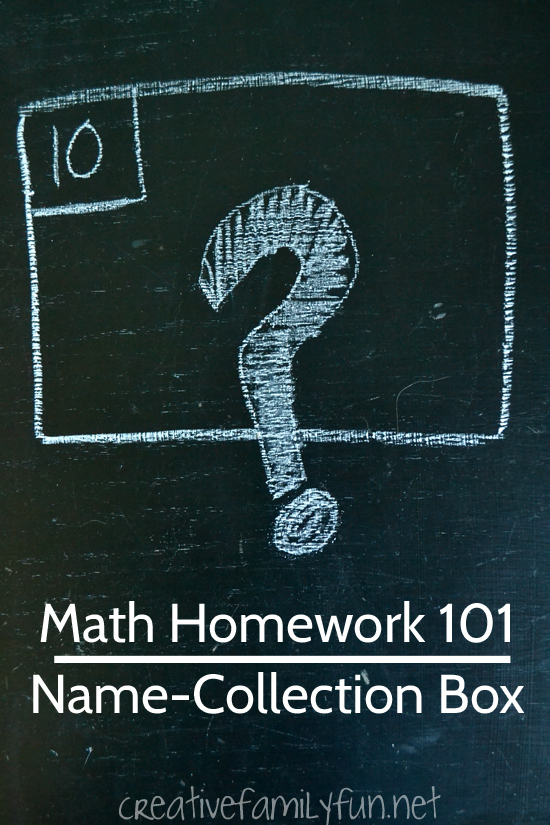
What is a name-collection box? Find out the details behind this elementary math tool and also learn some fun ways you can use it at home.

Disclosure: This post contains Amazon Affiliate and other Affiliate links. Please see my Disclosure Page for more details.

I don’t know how widespread the idea of a name-collection box is. It’s part of the Everyday Math Curriculum and I’ve seen them come up in 1st grade and 2nd grade for my daughters. I’m not entirely sure if other curriculum use it. If they don’t, I think they should! Once I started looking at these, I realized a few things.

Number 1: I like these because they add a bit of creativity to math. It’s like a mini brainstorming session.

Number 2: It’s a great illustration of the many, many ways you can use math to describe a number.

And Number 3: It’s kind of fun.

What is a name-collection box? Find out the details behind this elementary math tool and also learn some fun ways you can use it at home.

What is a name-collection box?

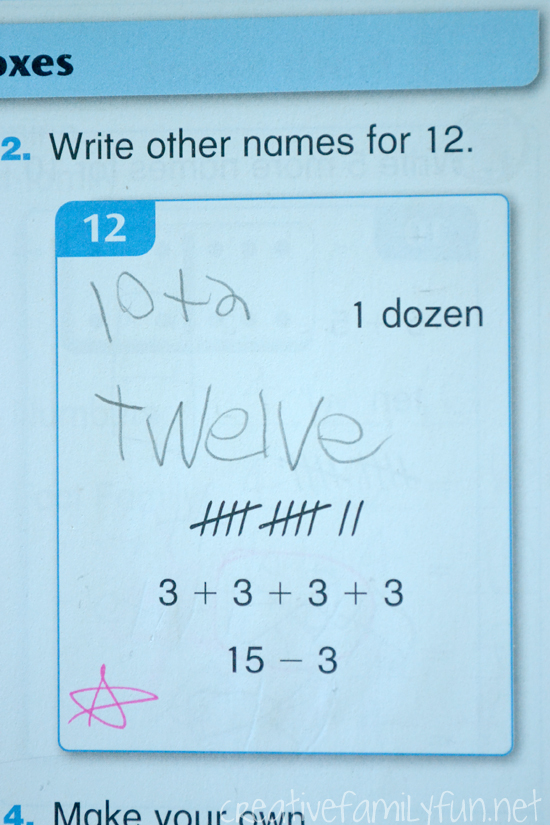
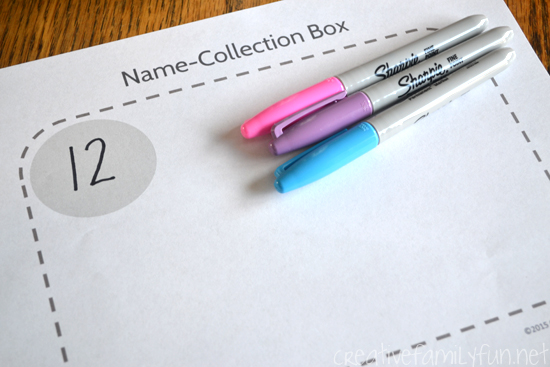
Let’s get started. I snapped a picture of one of the name-collection boxes I found in my daughter’s 1st Grade Everyday Math workbook.

Often the question asked is “Write other names for ___.” The number in question is always written in the small square in the upper corner.

You may also see another version where it asked the student to cross out the names that don’t belong in the ___ – box. The box will be filled out completely and your child has to cross out all the things that don’t equal the number in the box.

The concept is really easy once you get the hang of it.

What is a name-collection box? Find out the details behind this elementary math tool and also learn some fun ways you can use it at home.

So, what do you include in a name-collection box?

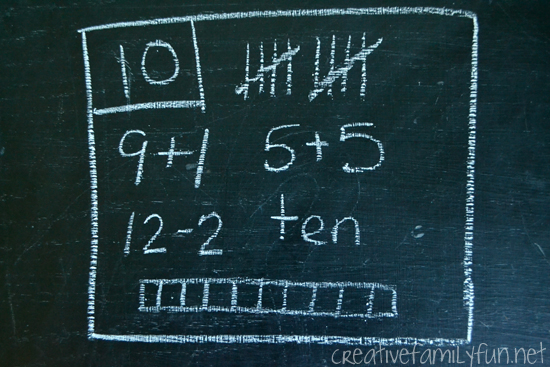
The only wrong answer is something that does not equal the number in the corner.

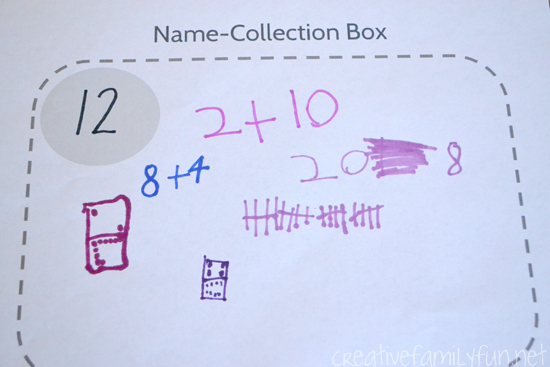
In the example above, I used tally marks, addition problems, subtraction problems, drew a base 10 block, and wrote the number word.

Other options are drawing money, drawing a domino, or writing an addition problem with more than 2 numbers.

As your child learns more, there will be more options to put in the box. You could even use multiplication and division problems if your child has reached that point!

What is a name-collection box? Find out the details behind this elementary math tool and also learn some fun ways you can use it at home.

How can you have fun with this at home?

Take it outside and draw a name-collection box on the driveway.

Make a 3-D name-collection box in a shoe box.

Get out the colored markers and decorate the box and write all your answers in multiple colors!

I created a simple, printable name-collection box you can use at home. Print it out and work through one of these together with your child. That way you can gain an understanding together. Your child will feel more successful and you will gain confidence with their math homework.

What is a name-collection box? Find out the details behind this elementary math tool and also learn some fun ways you can use it at home.

My daughter wrote down some examples for you for the number 12. I just noticed that she got the tally marks wrong. Oops! Luckily, I know she has a good understanding of tally marks so I’ll just chalk that one up to a “in a hurry” mistake.

Download and print your Name-Collection Box here.

Other Fun Name-Collection Box Activities

If you’d like to do more activities related to the name-collection box, JDaniel4’s Mom has a great post with fall-themed Exploring a Number printable worksheets. It’s a nice break down which can help guide a child that’s having troubles understanding the name-collection box.

Math Geek Mama took this idea and added a Thanksgiving twist. Check out her Build a Turkey Number Sense Activity. She’s even got free printables to help you out.

You may also like one of these Math Homework 101 posts:

What is Counting On?

Why is Skip Counting Important?

What is a Number Story?

How Do You Use a Hundred Chart?

How Do You Use a Number Line?

Spider Skip Counting Puzzles

October 8, 2015 By Terri Thompson

We’ve talked about skip counting before, about why it’s so important and why it’s emphasized so much in schools. It sets the stage for other math concepts, specifically multiplication. Mastering skip counting will benefit your child so much. You can read all about skip counting here at Math Homework 101.

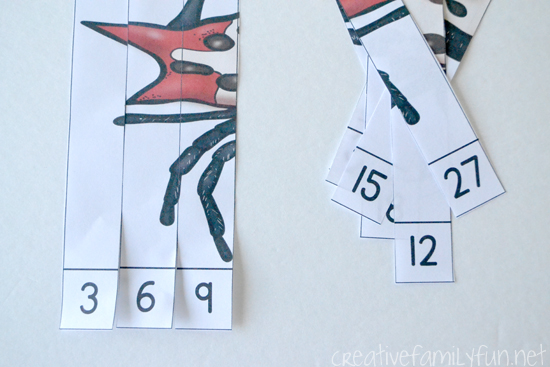
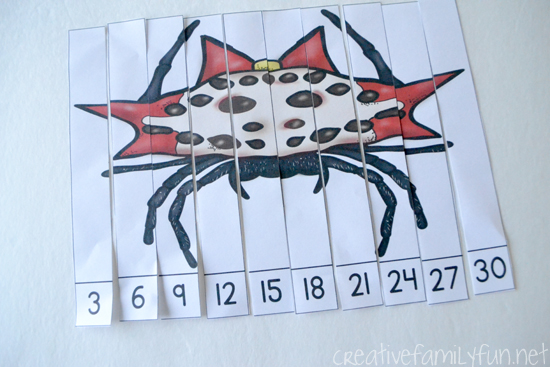
Luckily, skip counting can actually be quite fun and there are so many hands-on and active ways to practice. Today, I’m so thrilled to get to share with you these fun and fantastic spider skip counting puzzles.

Practice skip counting with these fun free printable spider skip counting puzzles. Fun for Halloween and anytime of the year.

My lovely friend Kim at Life Over C’s is the creator of these puzzles and she is so generously letting me share them here in my space.

Disclosure: This post contains Amazon Affiliate links and other affiliate links. Please see my Disclosure Page for more details.

Practice skip counting with these fun free printable spider skip counting puzzles. Fun for Halloween and anytime of the year.

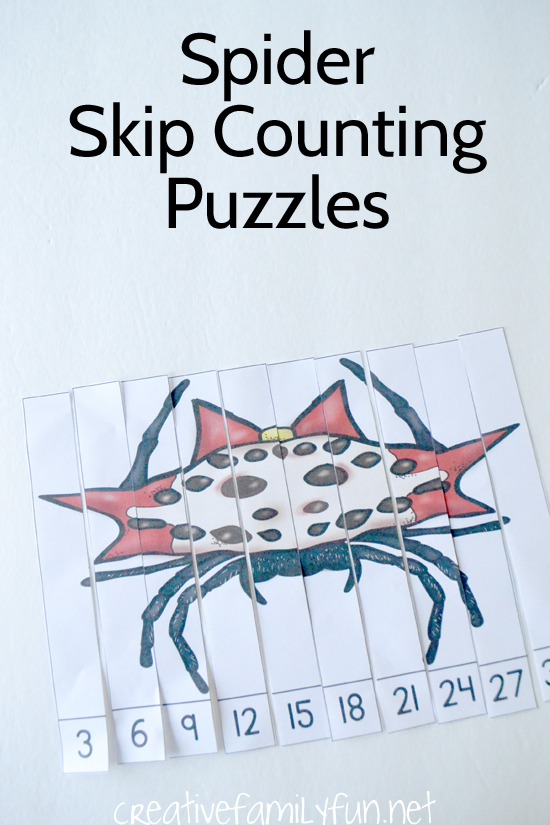
What is a skip counting puzzle?

My girls have always been a fan of this type of puzzle.

When they were younger, I would search all over to find this type of puzzle to print. It was just one of the tools I used when they were learning to count.

Luckily this format lends itself so well to skip counting and we can continue to use them as they get older.

Practice skip counting with these fun free printable spider skip counting puzzles. Fun for Halloween and anytime of the year.

How to use your spider skip counting puzzles

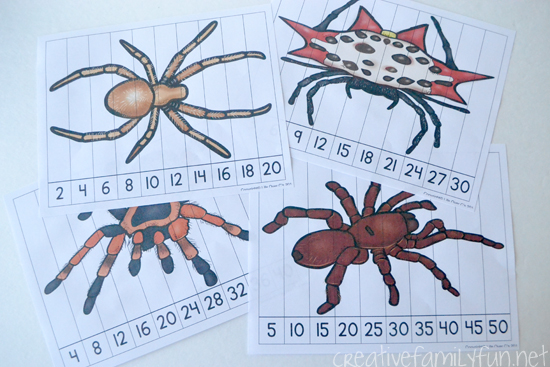
This spider themed pack contains 5 different skip counting puzzles. You’ll find counting by 2’s, 3’s, 4’s, 5’s, and 6’s.

All you need to do is print them out and cut the pieces. It’s so simple.

Mix up the pieces and let your kids use skip counting to put the puzzles together.

Click here to download and print your Spider Skip Counting Puzzles.

Practice skip counting with these fun free printable spider skip counting puzzles. Fun for Halloween and anytime of the year.

Thanks again to Kim at Life Over C’s for sharing this with us!

You can find all of Kim’s awesome printables here at the Life Over C’s Store. Also, make sure to stop by and check out her spider themed puzzles for double digit addition that go along with these skip counting puzzles.

If you are looking for more Spider-Themed Activities, the 2nd grade blogging team has got you covered! Check out these awesome spider activities!

Spider Themed Puzzles for Double Digit Addition from Life Over C’s
Do some Spider Web Skip Counting from Rainy Day Mum
Spider Multiplication from Still Playing School
Almost Doubles Spider Addition from Sugar Aunts
Spider Lap Book from Preschool Powol Packets
Spider Web Noun Sort & Printable from School Time Snippets
Learning with Art: Tape Resist Spider Web from Crafty Kids at Home
Learning with Spider Webs from Planet Smarty Pants

You may also like one of these skip counting activities:

Practice with a Skip Counting Store

Skip Counting by 10’s with Bottle Caps

Skip Counting with The Cat in the Hat

Fine Motor Skip Counting Activity At Better Than Homework

  • « Go to Previous Page
  • Page 1
  • Interim pages omitted …
  • Page 9
  • Page 10
  • Page 11
  • Page 12
  • Page 13
  • Interim pages omitted …
  • Page 17
  • Go to Next Page »

Primary Sidebar

Footer

Categories

Archives

Copyright © 2026 · Designed by The Blog Surgery

Creative Family Fun uses cookies to improve your experience. These cookies provide feedback to our analytics and advertisers. We use the information to track views of the site, where you go and to know if you are a regular visitor or brand new as well as provide a personalized experience where possible. We'll assume you're ok with this, but you can opt-out if you wish.Accept Reject Read More
Privacy & Cookies Policy

Privacy Overview

This website uses cookies to improve your experience while you navigate through the website. Out of these, the cookies that are categorized as necessary are stored on your browser as they are essential for the working of basic functionalities of the website. We also use third-party cookies that help us analyze and understand how you use this website. These cookies will be stored in your browser only with your consent. You also have the option to opt-out of these cookies. But opting out of some of these cookies may affect your browsing experience.
Necessary
Always Enabled
Necessary cookies are absolutely essential for the website to function properly. This category only includes cookies that ensures basic functionalities and security features of the website. These cookies do not store any personal information.
Non-necessary
Any cookies that may not be particularly necessary for the website to function and is used specifically to collect user personal data via analytics, ads, other embedded contents are termed as non-necessary cookies. It is mandatory to procure user consent prior to running these cookies on your website.
SAVE & ACCEPT