• Skip to secondary menu
  • Skip to main content
  • Skip to primary sidebar
  • Skip to footer
  • Home
  • About
    • Email Me
    • Disclosure & Copyright
  • Start Here
  • Subscribe
  • Privacy Policy
  • Books for Moms

Creative Family Fun

Your one-stop shop for kids activities and family fun

  • Facebook
  • Instagram
  • Pinterest
  • Twitter
  • Spelling Activities
  • Family Fun
  • STEM
  • Movie Night
  • Toddler Activities

Science Activities for Kids

Fun Night Sky Activities for Kids

June 18, 2017 By Terri Thompson

The night sky is such an endlessly fascinating subject. It’s so much fun to learn about the moon and the stars.

You’ll have so much fun trying out these fun and creative night sky activities for kids. Whether you play with outer space play dough or make a moon phases mobile, your kids (and you) will have tons of fun!
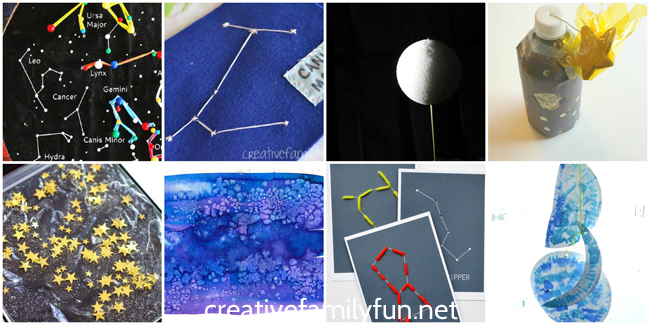
Have fun learning about the moon, space, and stars with these awesome night sky activities and crafts for kids. These space themed ideas are awesome!

If you’re looking to extend your study of the night sky, or just looking for a great family activity, this list should have you covered. Pick out one, or two, or all of the ideas and have some fun.

Disclosure: There are Amazon Affiliate and other affiliate links in this article which means, at no additional cost to you, we could receive compensation for our recommendations. You can read our full disclosure policy on our Disclosure Page for more details.

Fun Night Sky Activities for Kids

Play and learn with a homemade constellation geoboard from Babble Dabble Doo.

Make a shooting star spinning toy with this fun STEM activity from Teach Beside Me.

Do a simple experiment to learn how and why there are different moon phases with We-Made-That.com.

Learn about the different moon phases and make a moon phase mobile.

Make DIY constellation cards and learn about some of the myths behind them with How Wee Learn.

Shine the constellations on your wall with a homemade constellation projector from Playground Parkbench.

Learn about some of the different constellations with this Constellation Sewing Cards from Kids Activities Blog.

Make your own constellation wall hangings with this simple constellation sewing project.

Create your own moon phase calendar with What Do We Do All Day?

Make your own DIY Puffy Paint Moon with Rainy Day Mum.
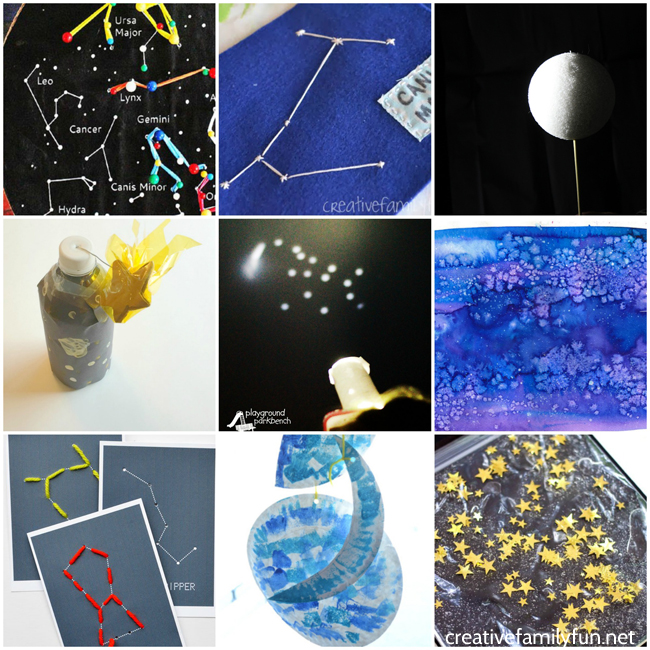
Have fun learning about the moon, space, and stars with these awesome night sky activities and crafts for kids. These space themed ideas are awesome!

Make some constellation art with rocks and sidewalk chalk with Creekside Learning

Learn about the planets with this DIY Planet Board Game from Inspiration Laboratories.

Have fun playing with homemade outer space playdough from NurtureStore

Learn how craters are formed and make your own moon craters with Science Sparks.

Make a cardboard space shuttle and travel to far off galaxies with Mama Smiles.

Make yourself into a constellation with Relentlessly Fun, Deceptively Educational.

Play with a simple constellation sensory bag from Playground Parkbench.

Use watercolors to make beautiful space paintings with this fun technique from Adventure in a Box.

Head out and explore the night sky with these tips for a successful star gazing night and printable night sky journal pages.

Go on a star gazing scavenger hunt with this printable guide from Real Life At Home.

Have a great time crafting and learning with these fun night sky activities for kids. Which ideas do you think you’re going to try?
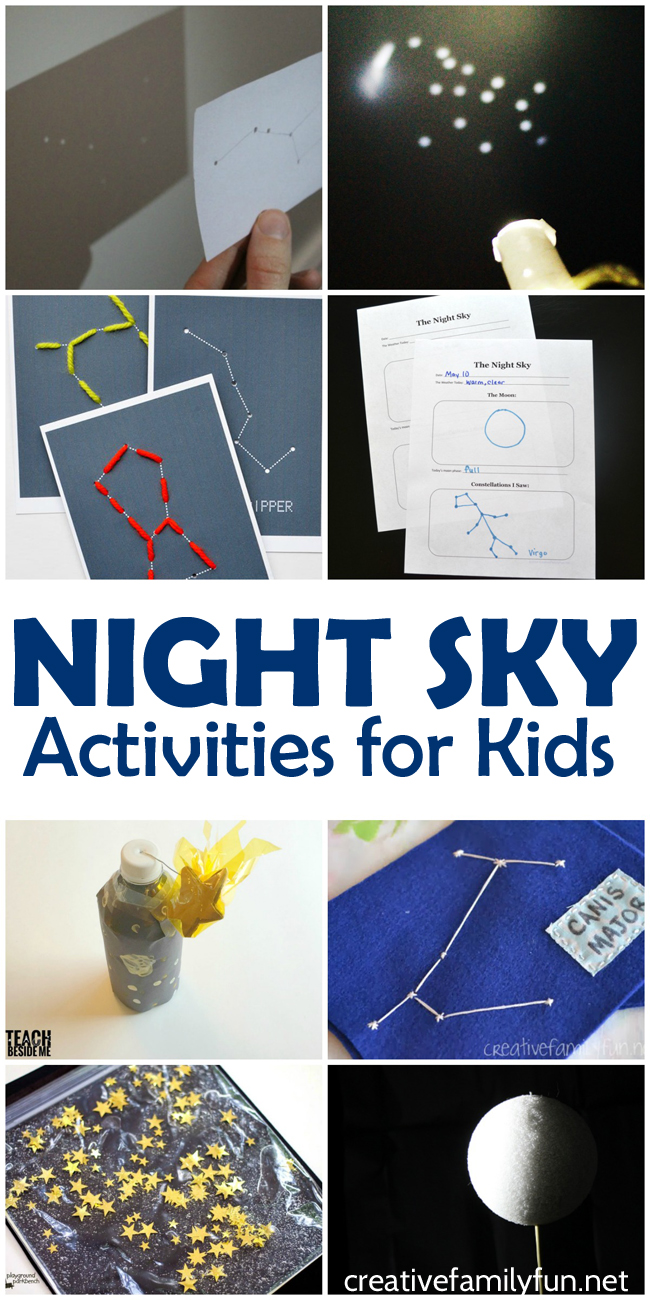
Have fun learning about the moon, space, and stars with these awesome night sky activities and crafts for kids. These space themed ideas are awesome!

You may also like one of these kids activities:

Stop Summer Slide While Learning in the Garden
Melting Crayons Science Activity

Family Bird Watching Club

Parts of a Dandelion Nature Exploration

Tips for Observing the Night Sky for Kids

May 16, 2017 By Terri Thompson

You can learn all about the phases of the moon and learned and constellations through activities and books. But one of the best ways to learn is to do the real thing and go stargazing. Observing the night sky for kids is a fun and valuable activity that also perfect for family time.

Stargazing is the perfect activity for a fun family night. It doesn’t require any special equipment. It won’t cost any money. And, if you’re lucky, you may not have to go further than your own front yard.

Grab a thermos of hot chocolate and some snacks. Pack a blanket or two, if it’s cold, and head outside.

Great tip for observing the night sky for kids. Plus, you can write down your observations in this free printable night sky journal.

This post contains Amazon Affiliate links. Please see my disclosure for more details.

Tips for successful stargazing:

Keep a close eye on the weather report. Choose a night that is clear with little to no cloud coverage.

Dress for the weather and remember that it will be colder at night. Bring blankets for sitting on the ground and for extra warmth.

Choose an area with as little excess light as possible. Stay away from street lights and other city lights. The darker it is, the more stars you will see in the sky. Bring your own flashlight for the times when you need a little extra light.

Do your homework. Be able to identify a few constellations and that night’s moon phase. Bring along a star map and know how to read it. You’ll be better able to help your kids have a successful night of stargazing if you equip yourself with some knowledge.

Look for the moon.

If you’re observing the night sky for the first time or are viewing it with preschool-age or younger children, a good starting place is the moon.

Know what that night’s moon phase will be. A full moon night is a fun time for a night sky observation!

There are many easy ways to check the moon phase. I have Moon Phase Pro, an Android app, on my Kindle Fire to keep track of the moon phases. Moon Calendar is a good app for Apple products. If you don’t want to use an app, you can check out a free moon phase calendar at MoonConnection.com.

It’s fun to observe the night sky a few days in a row to see how the moon changes every night.

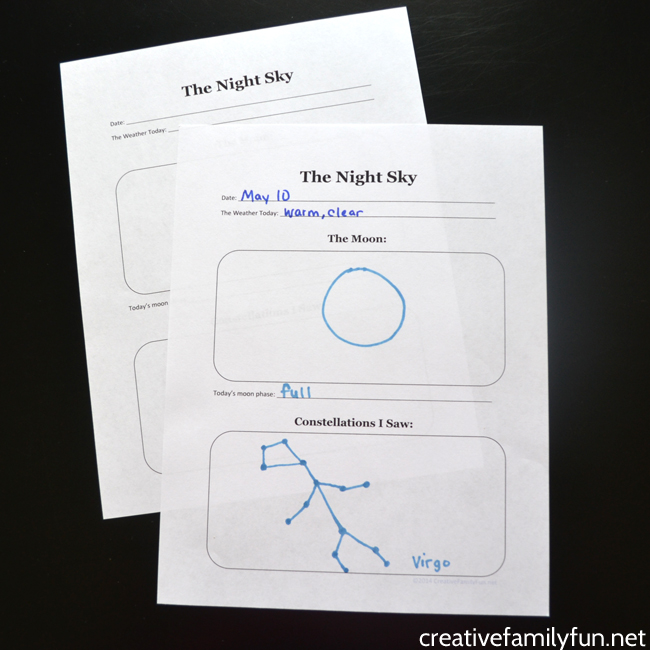
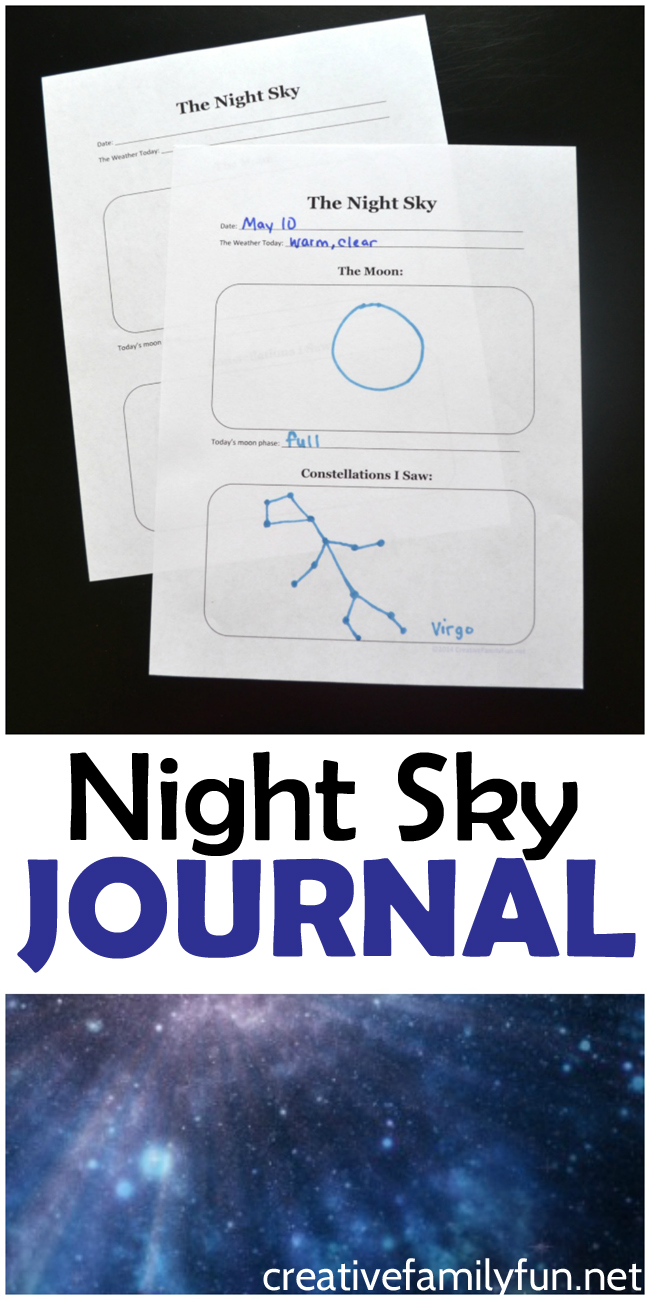
Great tip for observing the night sky for kids. Plus, you can write down your observations in this free printable night sky journal.

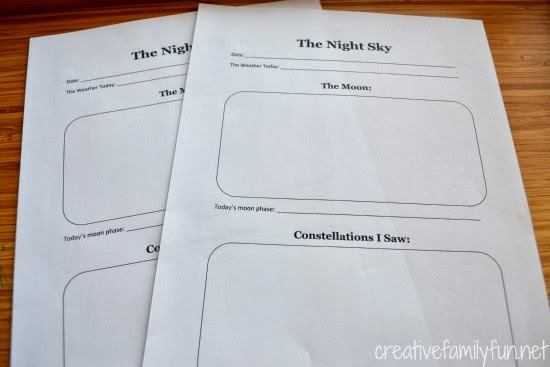
Keep a night sky journal

Invite your school-age kids to keep a night sky journal for a few days. Record the night’s moon phase. Look for constellations and draw the ones that you saw.

Compare your journal pages over a few days and note any changes.

I made a simple night sky journal page, free for you to print out and use. Please click here to download and print the journal page. If you want to do something a bit more simple, invite your child to draw or write their observations in a small notebook.

More fun ways to observe the night sky for kids:

The Flourishing Abode has a fun family stargazing night already planned, including a fun printable.

This video from PBS Parents – Adventures in Learning has more helpful tips for stargazing with your kids as wells as information about making your own pocket star guides.

Have you ever gone stargazing with your kids? What are your best tips for observing the night sky for kids?

Great tip for observing the night sky for kids. Plus, you can write down your observations in this free printable night sky journal.

If you enjoyed this night sky for kids post, the above photo is perfect for sharing on Facebook or you can share the photo below on Pinterest.

Great tip for observing the night sky for kids. Plus, you can write down your observations in this free printable night sky journal.

You may also like one of these posts:

Phases of the Moon Mobile

Constellation Wall Hangings: Simple Sewing for Kids

Puffy Paint Moon at Rainy Day Mum

Backyard Summer Fun Space Camp at Schooling a Monkey


Phases of the Moon Mobile

May 15, 2017 By Terri Thompson

I’ve always found that the moon is the perfect introduction to the night sky for kids. It’s easy to observe; you don’t need any special equipment to see it. Plus, there are so many kid-friendly resources to help you learn about it.

Today’s project is all about the phases of the moon. We took a little learning and turned it into a kids craft project so you can have the moon in your room both day and night.

This phases of the moon mobile is easy and takes only a few supplies, which you may already at home.

Combine science and art to make this simple phases of the moon mobile out of paper plates. It's a fun way to learn about the moon.

Disclaimer: This post contains Amazon Affiliate links. Please see my Disclosure Page for more details.

Learn about the phases of the moon

Every night the moon looks different. Over the course of a lunar month (approximately 30 days) the moon goes through several phases, from new, to crescent, to quarter, to gibbous, to full. It changes because the moon rotates around the earth.

You can get a detailed but kid-friendly explanation here from NASA.

To get excited about the moon and to do a little hands-on learning, we’re going to create a simple illustration of the moon phases.

Combine science and art to make this simple phases of the moon mobile out of paper plates. It's a fun way to learn about the moon.

Supplies Needed

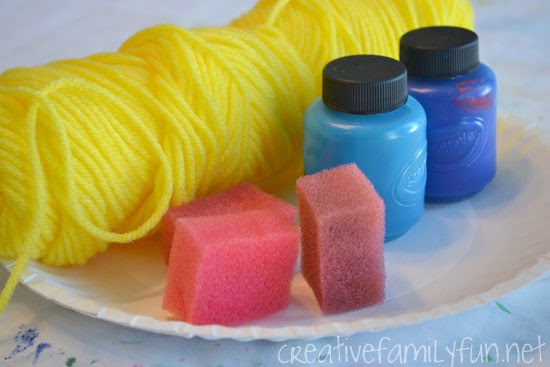
2 paper plates
Scissors
Multiple colors of blue paint
Sponge
Hole punch
Yarn
Coat hanger

Combine science and art to make this simple phases of the moon mobile out of paper plates. It's a fun way to learn about the moon.

How to make a Phases of the Moon Mobile

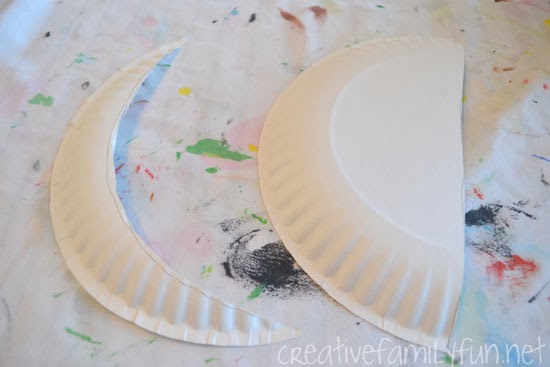
For this moon mobile, we made three moon phases. We made a full moon, a quarter moon, and a crescent moon. You can make as many phases as you would like.

For the full moon, leave one paper plate whole. Cut the other paper plate in half. Use one of the halves for your quarter moon and cut the other half in the shape of a crescent moon.

Combine science and art to make this simple phases of the moon mobile out of paper plates. It's a fun way to learn about the moon.

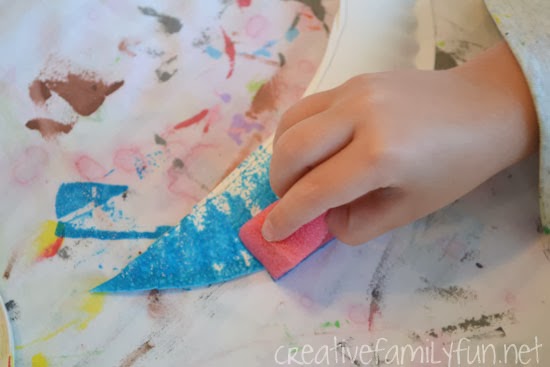
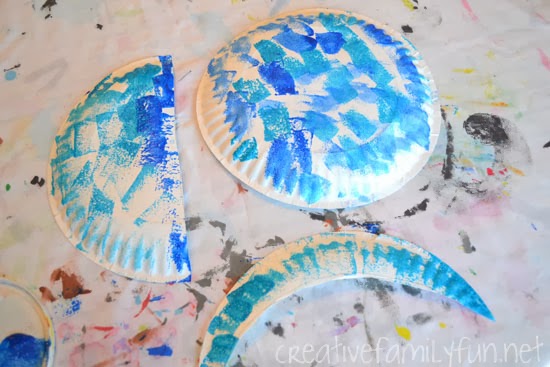
Using your blue paints, sponge paint your three different moons. We only had two different shades of blue so that’s what we used. Use as many shades of blue as you would like, or add in grey and white for a different color scheme. If you only have one shade of blue, use white paint to lighten some of it.

I cut up a sponge into small squares to use for painting. The small squares of sponge are perfect for little hands to use.

Combine science and art to make this simple phases of the moon mobile out of paper plates. It's a fun way to learn about the moon.

After your moons have dried, punch a hole in the top of each. Tie a piece of yarn through your hole and again to your coat hanger.

I varied the length of my yarn so our moon phases would hang at different levels.

Once you’re done, hang your phases of the moon mobile up in your room and wow everyone with your new knowledge of the moon.

Combine science and art to make this simple phases of the moon mobile out of paper plates. It's a fun way to learn about the moon.

To learn more about the phases of the moon

Watch this beautiful video on YouTube. Set to the soundtrack of Beethoven’s Sonata No 14, an animated moon works its ways through all of its phases.

Stop by Kids Activities Blog for another fun project you and your kids can do to chart the moon and learn about the different phases.

MoonConnection.com has a moon phase calendar you can use for reference. You can switch between the northern hemisphere and the southern hemisphere to get the correct moon calendar for your location.

Learn about the night sky with one of these fun ideas:

Tips for Observing the Night Sky with Kids

Fun Night Sky Activities for Kids

Simple Sewing – Constellation Wall Hanging

Puffy Paint Moon at Rainy Day Mum

Fun Kitchen Science Experiments for Kids

May 1, 2017 By Terri Thompson

My favorite type of science experiments to do with my kids is kitchen science.

These types of projects are easy to do, I usually have all the supplies I need, and the projects are typically safe (and don’t use weird chemicals). Perfect, right?

Luckily, there are tons of great kitchen science experiments you can do with your kids.

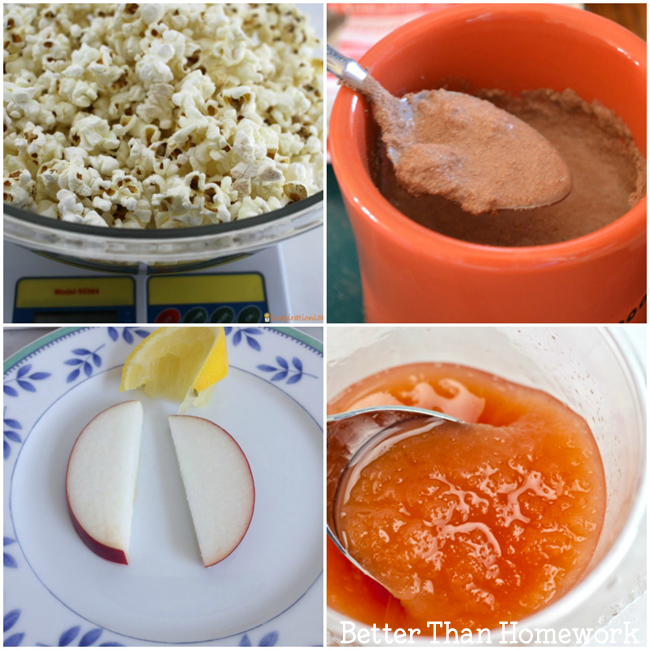
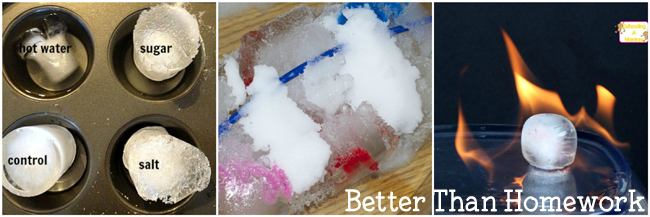
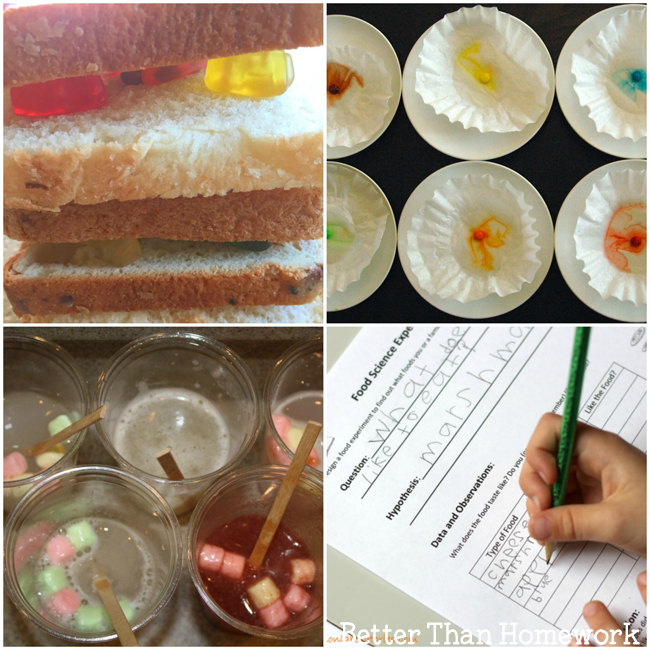
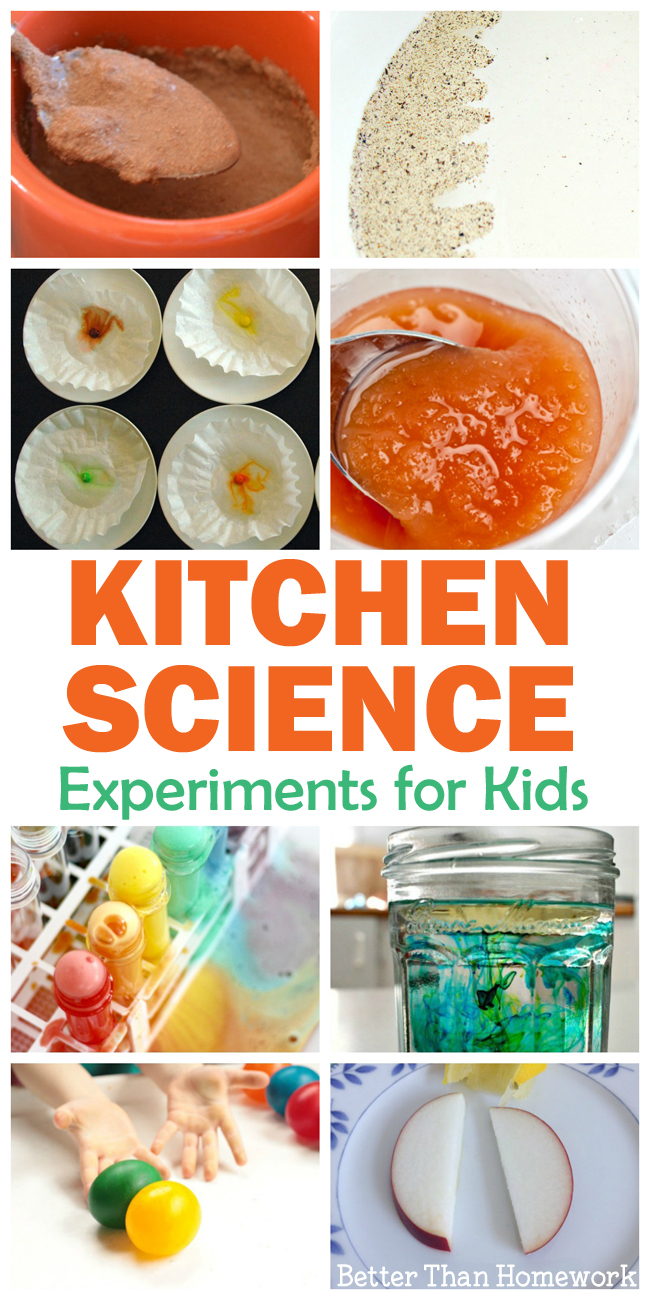
Have some fun with one of these kitchen science experiments. Experiment with ice, learn the science behind food, or do some classic experiments.

Your kids will have tons of fun with these great experiments and they’ll learn so much while they’re at it. You’ll learn about the science behind food, do some fun ice experiments, and also use kitchen supplies for some great classic science experiments.

Disclosure: This post contains Amazon Affiliate links. Please see my Disclosure Page for more details.

Have some fun with one of these kitchen science experiments. Experiment with ice, learn the science behind food, or do some classic experiments.

The Science of Food

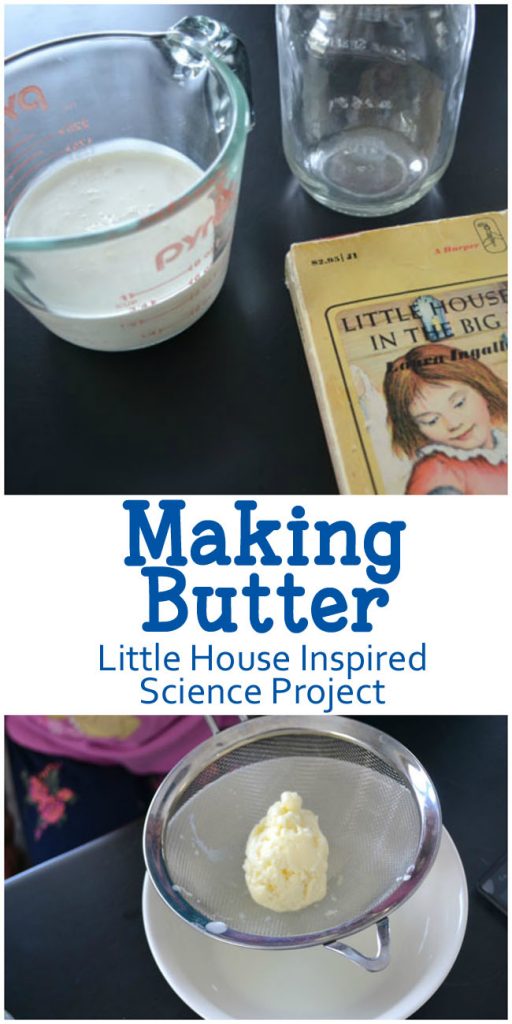
What is the science behind butter? Make your own butter and learn the science behind the process with this Little House inspired butter science project.

Discover the science behind popping popcorn with this fun popcorn science activity from Inspiration Laboratories.

Can you keep an apple from turning brown? Try some different methods with this apple science experiment from Kitchen Counter Chronicles.

Can you figure out the quickest way to bake a potato? Test your hypothesis with this potato science experiment from Left Brain Craft Brain.

Learn the science behind a fun treat, a Slurpee, with this fun science experiment from Steam Powered Family.

How does temperature effect the rate at which hot chocolate dissolves? Set up a simple experiment to find out with this hot chocolate science experiment from Creative Family Fun.

Have some fun with one of these kitchen science experiments. Experiment with ice, learn the science behind food, or do some classic experiments.

Learn with ice

Can you make ice melt faster? Try and test several different variables with this melting ice science experiment from The Chaos and the Clutter.

Why does salt melt ice? Find out with this simple science experiment from Science Sparks.

Can you light ice on fire? Schooling a Monkey shows you how to do this fun experiment.

Have some fun with one of these kitchen science experiments. Experiment with ice, learn the science behind food, or do some classic experiments.

Classic experiments

Mixing baking soda and vinegar is a truly awesome experiment. Add a little twist to this classic and make erupting rainbows from Little Bins for Little Hands.

Explore density by layering liquids with this class experiment from Inspiration Laboratories.

Use the classic pepper and dish soap experiment to show how germs scatter with this fun idea from Fantastic Fun and Learning.

Creating fireworks in a jar is a classic way to learn the science behind why oil and water do not mix. Go Science Girls shows you how to do this fun science experiment.

What melts in the sun? Playdough to Plato adds a sweet candy twist to this classic experiment.

Have you ever made naked eggs? Try this colorful twist on a classic with Rainbow Magic Eggs from Schooling a Monkey.

Have some fun with one of these kitchen science experiments. Experiment with ice, learn the science behind food, or do some classic experiments.

More kitchen science experiments

Use bread and gummy worms to learn about sedimentary rocks with this fossil experiment from Teach Beside Me.

What are the effects of different liquids on marshmallows? Find out with this fun marshmallow science experiment from Fantastic Fun and Learning.

Learn about chromatography with this M&M science experiment from Playdough to Plato.

Design your own science experiment by asking a simple question, what foods taste good. Inspiration Laboratories walks you through the process with this fantastic experiment with a printable data recording sheet.

What are your favorite kitchen science experiments?

Have some fun with one of these kitchen science experiments. Experiment with ice, learn the science behind food, or do some classic experiments.

You may also like one of these posts:

Paper Plate Math Games

Popcorn Science Experiments for Kids

Chemical Reactions with Pennies at Creative Family Fun

Hockey Science at Creative Family Fun

Making Butter – Little House Inspired Science

March 7, 2017 By Terri Thompson

Have you ever tried making butter?

It seems far-fetched, doesn’t it?

But, actually, it’s not. It’s all about science.

Once you know the science behind butter, you can make it any time. All you need are a few simple supplies to do this fun kitchen science project.

Learn the science behind making butter with this fun kitchen science experiment inspired by the Little House book series.

Disclosure: This post contains Amazon Affiliate links. Please see my Disclosure Page for more details.

My girls and I have been reading the Little House series every night at bedtime. I loved this series as a child, and I’m so happy to be passing along this series to my own kids. They love it too.

The many detailed descriptions of pioneer life in the books has inspired us to do a few science experiments.

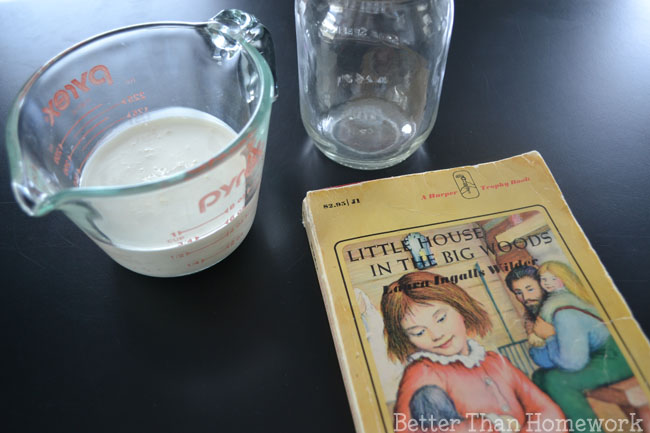
We were struck by how many times the Ingalls family had to make something that we are used to buying in a store, especially some of the food products, like butter as described in Little House in the Big Woods.

Ma didn’t know the science behind making butter when she taught Laura and Mary how to do it. But, science it was. You don’t make butter by mixing together a few ingredients. You make butter by changing one ingredient, cream, into something else, butter.

Learn the science behind making butter with this fun kitchen science experiment inspired by the Little House book series.

Gather your supplies

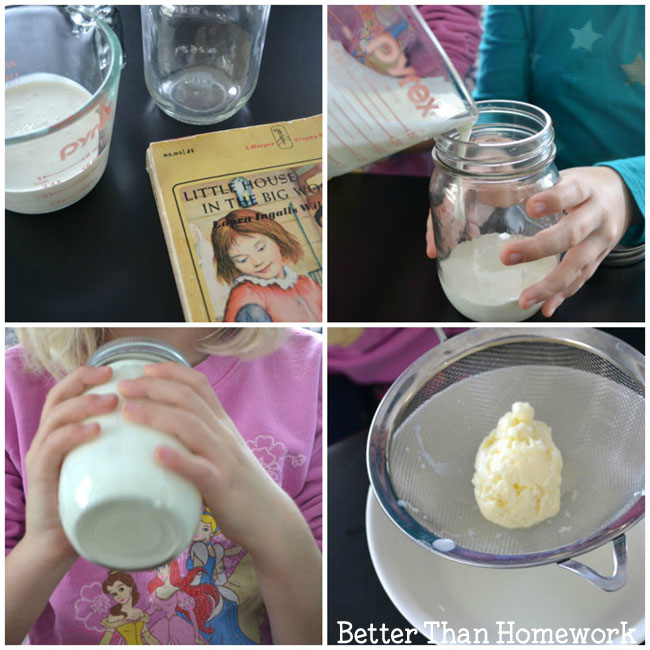
You only need a few simple supplies for this project. The most important supplies are some heavy cream and a mason jar with lid.

You will also need a measuring cup and a strainer.

To add a bit of math and technology to the project, have a timer or a timer app on hand.

Learn the science behind making butter with this fun kitchen science experiment inspired by the Little House book series.

Make the butter

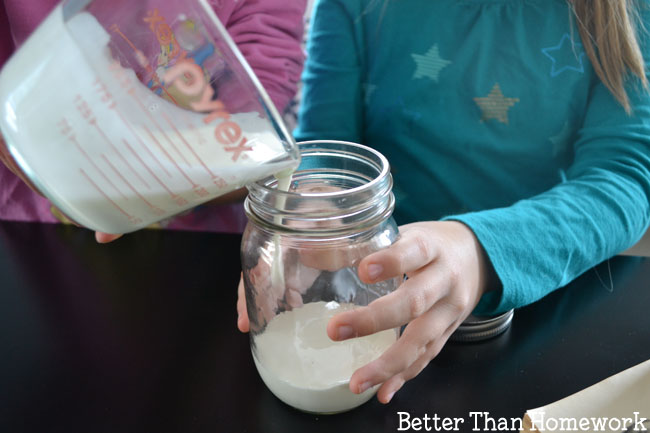
Use your measuring cup to measure 2/3 cup of your cream.

Pour the cream in the jar and put the lid on tight.

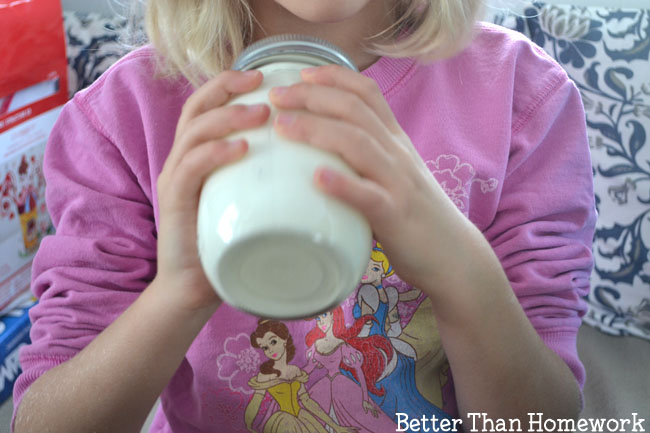
Now, it’s time to shake and you’ve got to shake a lot. We passed it around between three of us, so no one got too tired from the shaking.

We used a time app on my phone to see how long it took us to make butter and it came in at a little over 8 minutes. That’s a lot of shaking!

Learn the science behind making butter with this fun kitchen science experiment inspired by the Little House book series.

What does the shaking do?

While we were shaking, the molecules in the cream were moving around. The agitation caused the fat molecules to separate and join together.

We accomplished this by shaking a jar. Ma, Mary, and Laura accomplished this with a butter churn. The motion of the churn’s stick moving up and down had the same effect as our jar shaking.

Our cream started out as a liquid and as we shook it started transforming. When we stopped hearing the liquid move around, we stopped to observe what was happening. We took a peek and found whipped cream.

When you hit the whipped cream stage, you’ve got to keep going. The shaking is harder to do, so shake as hard as you can. Suddenly, in a split second, everything changes. You’ll hear a solid substance plopping about inside your jar.

Stop the timer, you’ve got butter. You’ve successfully rearranged the molecules in your cream.

Learn the science behind making butter with this fun kitchen science experiment inspired by the Little House book series.

Our conclusion

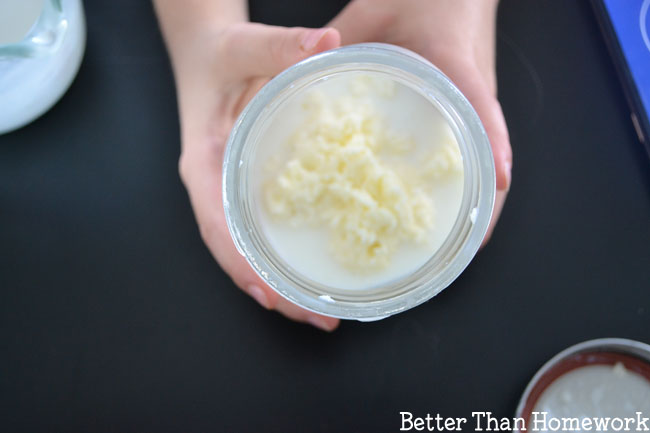
Once we had butter, we opened up the jar to see the butter sitting in a liquid.

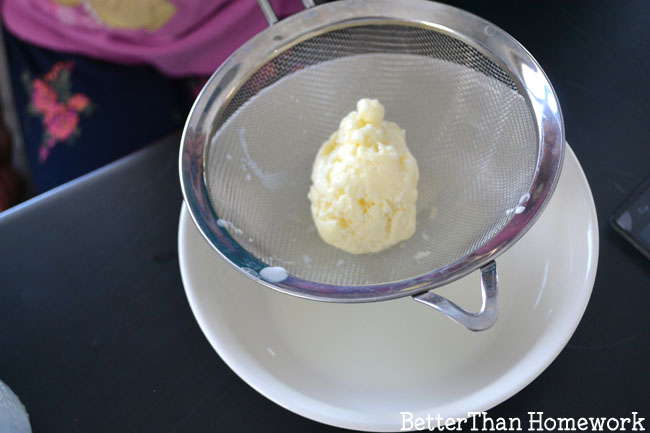
We used our strainer to separate our butter from the buttermilk. (That’s how buttermilk got it’s name, it’s the liquid left over from making butter.)

We took it one step further and used our measuring cup to see how much buttermilk we had. We measured 1/3 cup of measurement. So our 2/3 cup of cream split in two. One half was fat molecules which made our butter and the other half was the remaining buttermilk.

Learn the science behind making butter with this fun kitchen science experiment inspired by the Little House book series.

You’ve just made butter. Can you believe it?

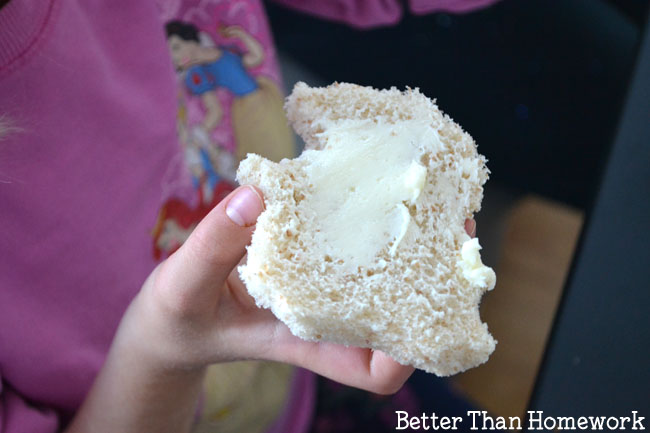
This is one science experiment that results in a completely safe and edible product. So get out the bread and spread a little butter on it. You’ve got to taste your results.

Storybook Science

We did this project as part of the Storybook Science series from Inspiration Laboratories. Click the image below to see all the science projects inspired by favorite children’s books.

Storybook Science

Learn the science behind making butter with this fun kitchen science experiment inspired by the Little House book series.

If you enjoyed this post, the above photo is perfect for sharing on Facebook. Or, you can Pin the image below.

Learn the science behind making butter with this fun kitchen science experiment inspired by the Little House book series.

You may also like one of these fun science projects:

Erupting Mount Vesuvius: Combing History with Science at Creative Family Fun

Hot Chocolate Science at Creative Family Fun

Color Mixing Lab at Creative Family Fun

  • « Go to Previous Page
  • Page 1
  • Page 2
  • Page 3
  • Page 4
  • Page 5
  • Page 6
  • Go to Next Page »

Primary Sidebar

Footer

Categories

Archives

Copyright © 2026 · Designed by The Blog Surgery

Creative Family Fun uses cookies to improve your experience. These cookies provide feedback to our analytics and advertisers. We use the information to track views of the site, where you go and to know if you are a regular visitor or brand new as well as provide a personalized experience where possible. We'll assume you're ok with this, but you can opt-out if you wish.Accept Reject Read More
Privacy & Cookies Policy

Privacy Overview

This website uses cookies to improve your experience while you navigate through the website. Out of these, the cookies that are categorized as necessary are stored on your browser as they are essential for the working of basic functionalities of the website. We also use third-party cookies that help us analyze and understand how you use this website. These cookies will be stored in your browser only with your consent. You also have the option to opt-out of these cookies. But opting out of some of these cookies may affect your browsing experience.
Necessary
Always Enabled
Necessary cookies are absolutely essential for the website to function properly. This category only includes cookies that ensures basic functionalities and security features of the website. These cookies do not store any personal information.
Non-necessary
Any cookies that may not be particularly necessary for the website to function and is used specifically to collect user personal data via analytics, ads, other embedded contents are termed as non-necessary cookies. It is mandatory to procure user consent prior to running these cookies on your website.
SAVE & ACCEPT