• Skip to secondary menu
  • Skip to main content
  • Skip to primary sidebar
  • Skip to footer
  • Home
  • About
    • Email Me
    • Disclosure & Copyright
  • Start Here
  • Subscribe
  • Privacy Policy
  • Books for Moms

Creative Family Fun

Your one-stop shop for kids activities and family fun

  • Facebook
  • Instagram
  • Pinterest
  • Twitter
  • Spelling Activities
  • Family Fun
  • STEM
  • Movie Night
  • Toddler Activities

Learning Activities for Kids

Fun Nonstandard Measurement Games

January 20, 2022 By Terri Thompson

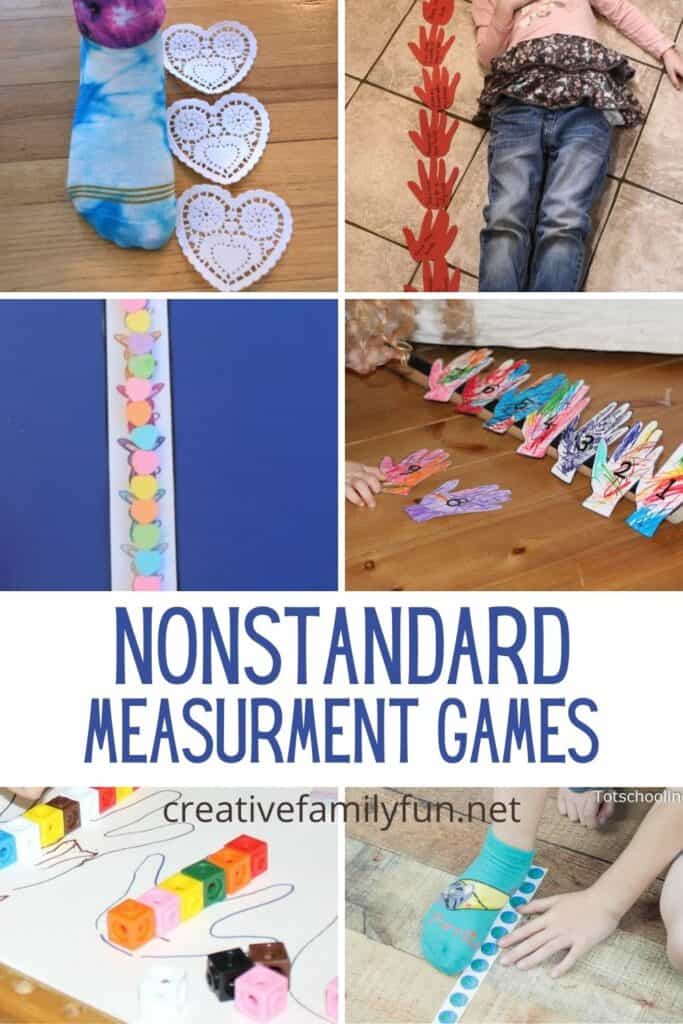
It’s fun to explore measurement with some fun Nonstandard Measurement Games.

How many things can you measure? Measure a room, your foot, or even your full body.

This fun selection of measurement games are hands-on and engaging. They’re perfect for learning at home!
Nonstandard Measurement Games

Disclosure: There are Amazon Affiliate and other affiliate links in this article which means, at no additional cost to you, we could receive compensation for our recommendations. You can read our full disclosure policy on our Disclosure Page for more details.

What is Nonstandard Measurement?

Nonstandard measurement is when you use an object, other than a ruler, to measure the length or width of an object.

So, let’s go have some fun and use our feet, our hands, our toys, or even straws to explore measurement.

Fun Nonstandard Measurement Games

Measure with hearts, handprints, LEGO Bricks, and more with these fun math activities.

Nonstandard Measurement Games

Explore measurement with these fun nonstandard measurement games for kids. These hands-on math activities with make learning fun for your kids.
Valentine Nonstandard Measurement Activity

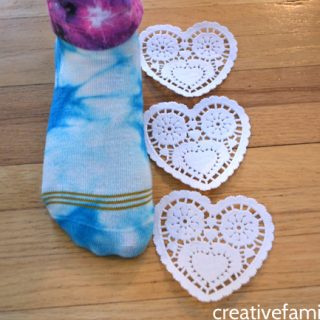
This Valentine's Day activity uses heart doilies to measure different items. But you can adapt it for any holiday by cutting shapes out of paper. (For example, you can measure with shamrocks for St. Patrick's Day.)
Measuring with Kind Hands

Photo Credit: rainydaymum.co.uk

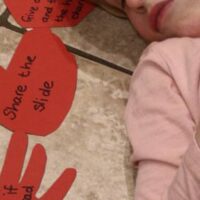
Make Kind Hands, which are your handprints labeled with acts of kindness, to measure just how tall you are.
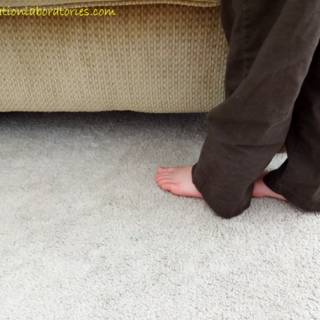
Measuring with the Foot Book by Dr. Seuss

Photo Credit: inspirationlaboratories.com

Place one foot in front of the other to measure all sorts of items with this fun idea inspired by Dr. Seuss's The Foot Book.
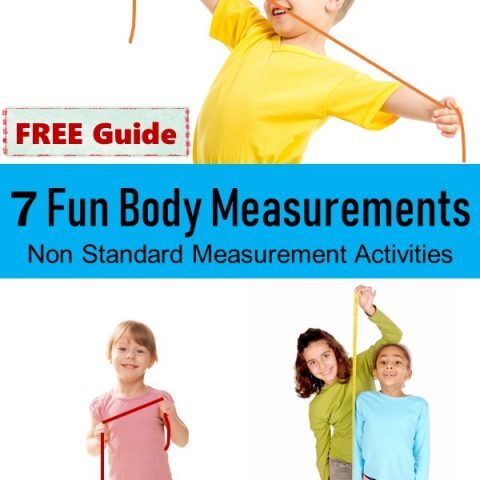
Fun Body Measurement Activities with a Piece of String

Photo Credit: igamemom.com

Use a piece to string to measure and compare the length of different parts of your body.
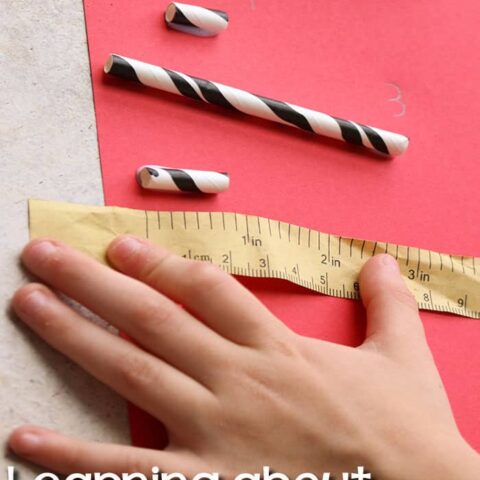
Measuring With Straws

Photo Credit: lifeovercs.com

Paper straws are a great tool to use for nonstandard measurement. Use them to measure and record the lengths of different items.
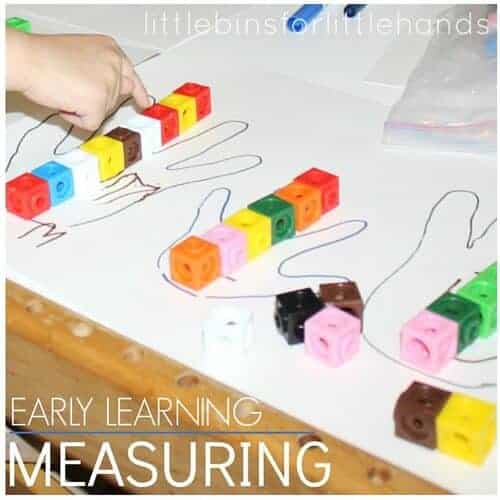
Measuring Activity For Preschoolers

Photo Credit: littlebinsforlittlehands.com

Use small blocks, such as Unifix Cubes to measure your hands and feet.
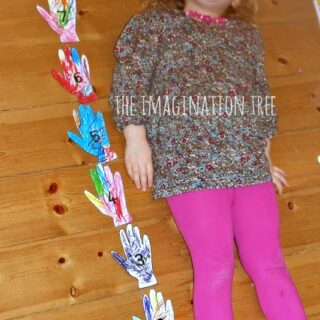
Handprint Measuring and Number Lines

Photo Credit: theimaginationtree.com

Use cutouts of your handprint to measure and then make a fun handprint number line with this fun activity.
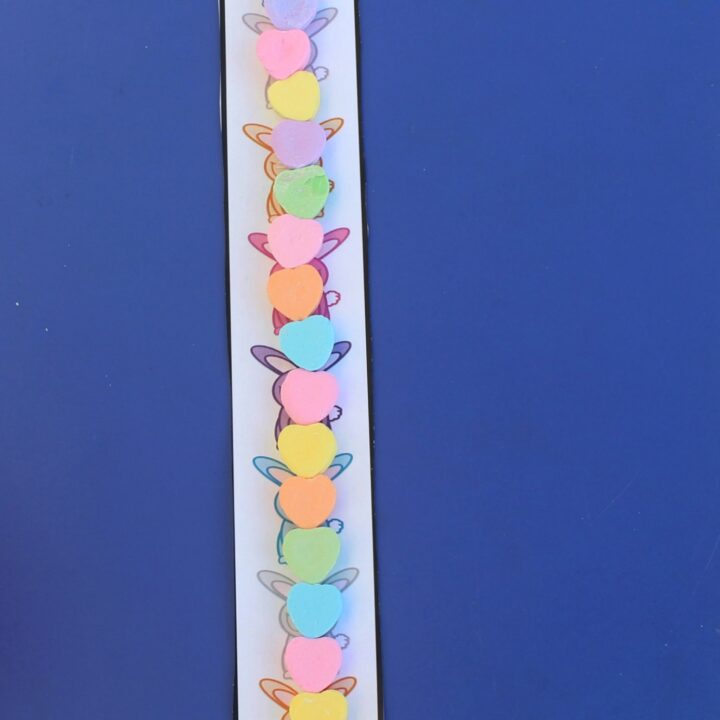
Measuring Length in Non-Standard Units with Candy Hearts

Photo Credit: jdaniel4smom.com

Use candy hearts as a measuring tool with this great activity. Includes fun printables to help you measure.
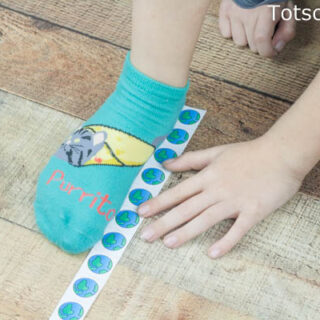
Space Nonstandard Measurement Activity

Photo Credit: www.totschooling.net

Use some fun space-themed measurement printables to explore nonstandard measurement.
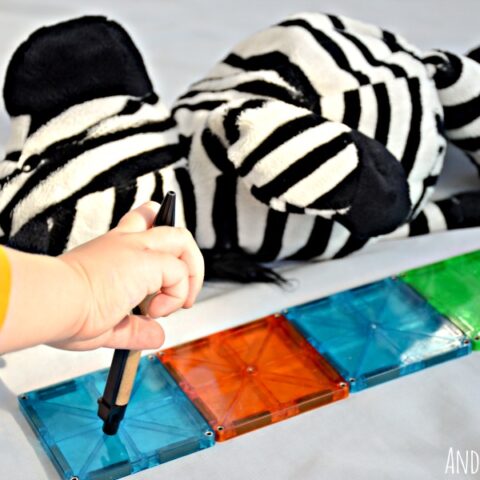
Measuring with Magna-Tiles

Photo Credit: www.andnextcomesl.com

Do you have Magna-Tiles at home? They're a fun tool to use to explore measurement with this activity.
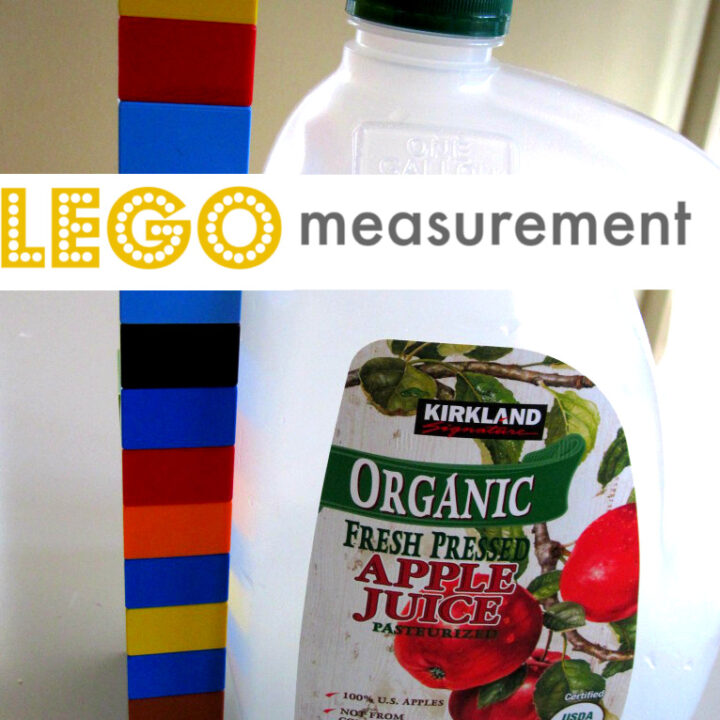
Preschool Math Lesson : Lego Measurement

Photo Credit: www.notimeforflashcards.com

How many LEGOs tall is your drinking glass? Use LEGOs to explore measurement all around the house.
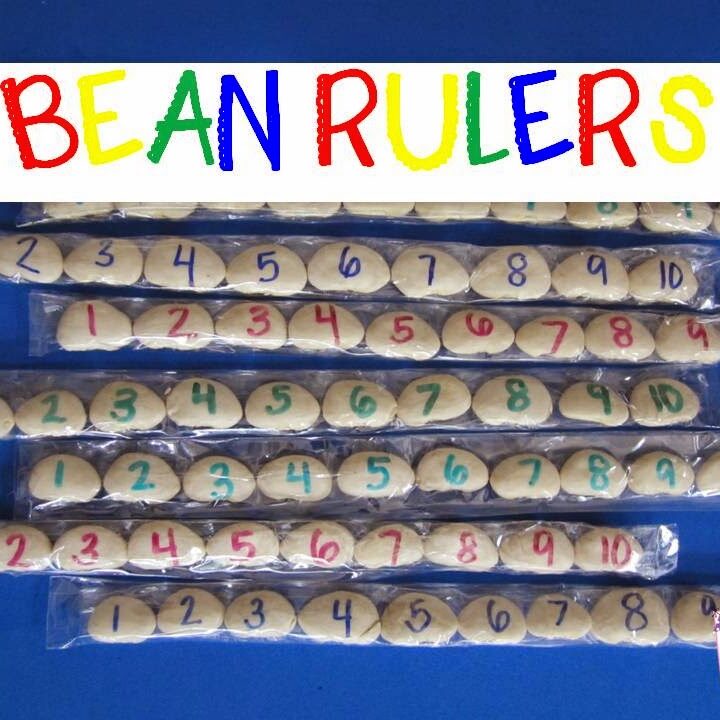
How to Make Bean Rulers

Photo Credit: pocketofpreschool.com

Make your own ruler out of dry beans to use while you explore nonstandard measurement.

Which one of these fun ideas do you think you’ll try with your kids?

Nonstandard measurement games for kids

You may also like one of these fun math activities:

Fun Hundred Chart Games and Activities

Backyard Measurement Scavenger Hunt

One Fish Two Fish Number Match

Making Ten with Cars

My Favorite Math Resources

We love using games to practice our math. It definitely makes learning fun. Here are some great ones you’ll love playing.
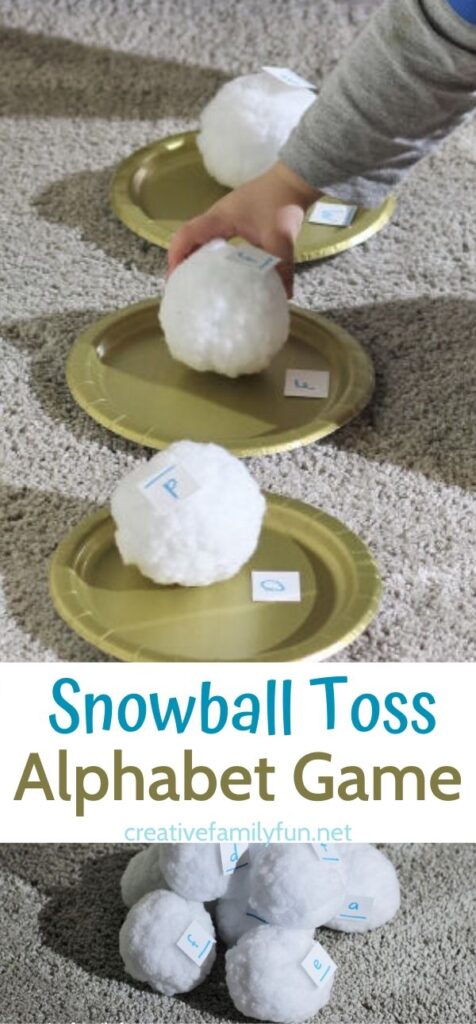
Snowball Toss Alphabet Game for Toddlers

January 19, 2022 By Trisha

Iโ€™m always looking for ways to get kids moving and learning especially in winter when weโ€™re stuck inside more.

Letโ€™s practice letter recognition and letter sounds with a pretend snowball fight.

Toddlers and preschoolers will love this snowball toss alphabet game. And, once you’re done playing you can move on to more fun activities for toddlers.

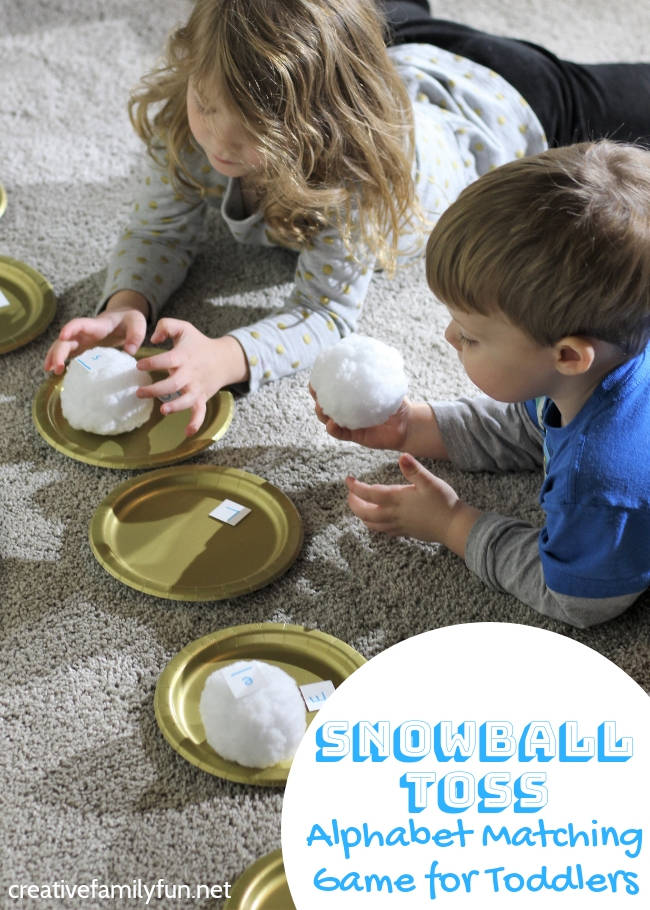
Help your kids learn their ABC's with this fun Snowball Throw Alphabet game for toddlers and  preschoolers.

Disclosure: There are Amazon Affiliate and other affiliate links in this article which means, at no additional cost to you, we could receive compensation for our recommendations. You can read our full disclosure policy on our Disclosure Page for more details.

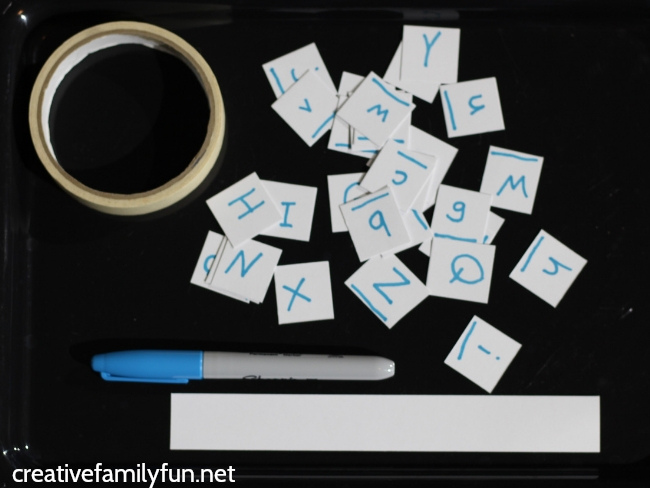
Materials Youโ€™ll Need for the Snowball Toss Game

Snowballs

Card stock(or paper)

Paper cutter (or scissors)

Tape (I used masking tape.)

Marker

Paper plates (or something similar โ€“ use plastic bowls, plates, or even pieces of paper)

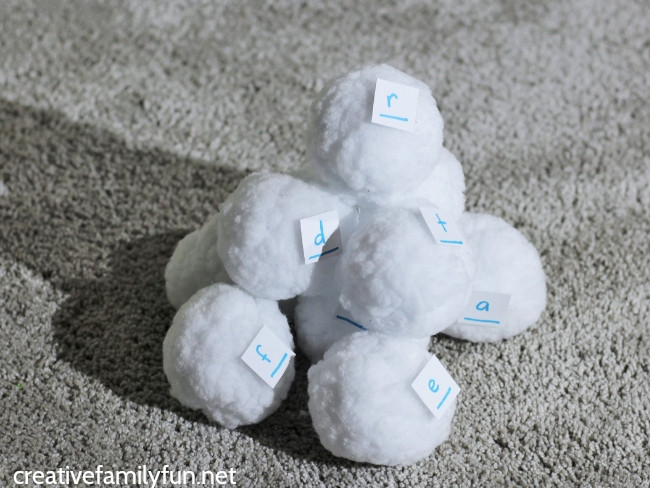
I found 10 indoor snowballs for $3 at the Target dollar spot. Walmart is selling 20 indoor snowballs for about $10. You can also get indoor snowballs on Amazon. You could even make your own snowballs from balled up socks or crumpled paper.

The indoor snowballs remind me of giant pom poms, but they are weirdly squishy. You know how real snow feels when you make a snowball โ€“ that squishy, crunchy feeling? The indoor snowballs replicate that feeling.

Set Up Your Snowball Throw Alphabet Game

I used a paper cutter to cut a piece of white card stock into 1-inch squares. Then, I wrote a letter on each paper square. I drew a line at the bottom of each lowercase letter and some of the uppercase letters just so it was easy to tell which direction the card went.

Your toddler or preschooler will have fun moving and learning their abc's with this simple gross motor Snowball Toss Alphabet Game

I used uppercase and lowercase letters for our matching game. You could play the matching game with the same case to work more on introducing letters.

Select 10 letters to work with. (This helps focus on just some of the letters instead of the entire alphabet. If you have more snowballs, feel free to use more letters.)

Your toddler or preschooler will have fun moving and learning their abc's with this simple gross motor Snowball Toss Alphabet Game

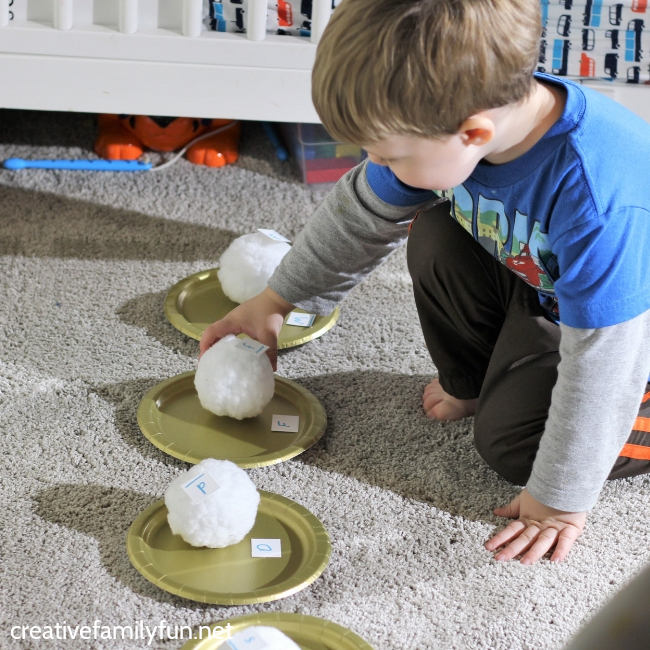
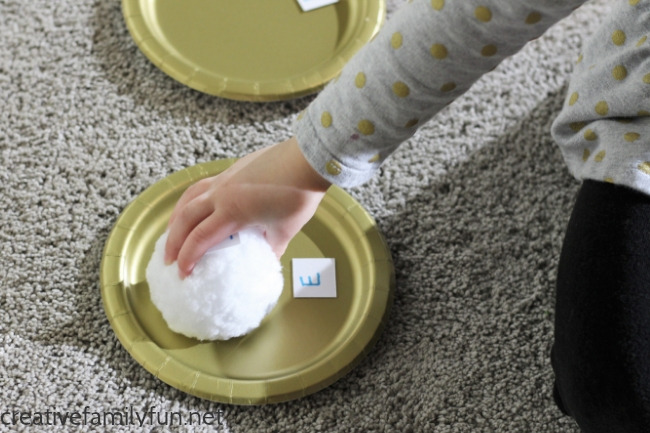
Tape one lowercase letter to each snowball.

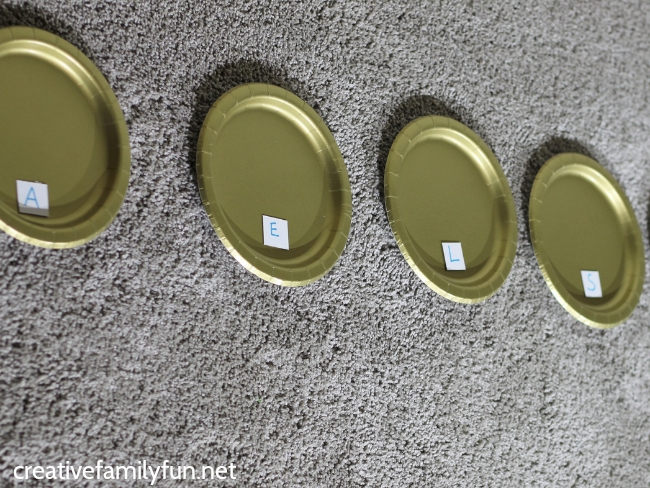
Now youโ€™ll need a landing zone for the snowballs. I used small paper plates. You could use containers or even pieces of paper.

Tape one uppercase letter to each landing zone.

Your toddler or preschooler will have fun moving and learning their abc's with this simple gross motor Snowball Toss Alphabet Game

Place the uppercase letters on one side of the room. We lined the paper plates up near the wall.

Make a pile of snowballs on the other side of the room.

Practice the alphabet with this fun indoor snowball game for toddlers

Play this snowball toss alphabet game

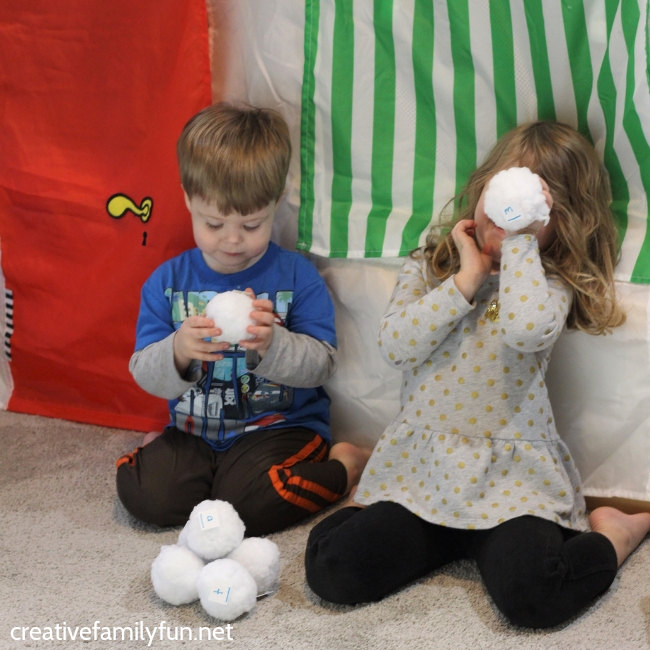
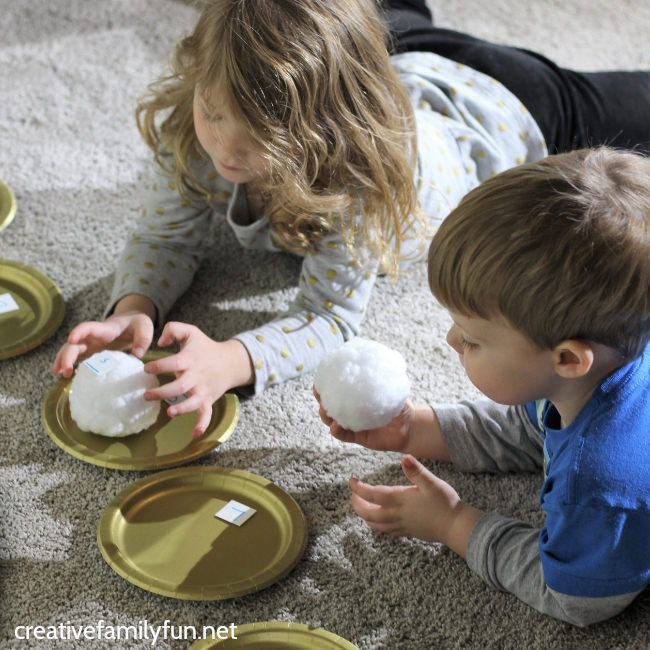
Have your child pick up a snowball and find the letter on it. Ask him to say the name of the letter. (You can also have him say the letter sound.)

Now have your child throw the snowball across the room (towards the paper plates). I had my kids throw the snowballs at the wall.

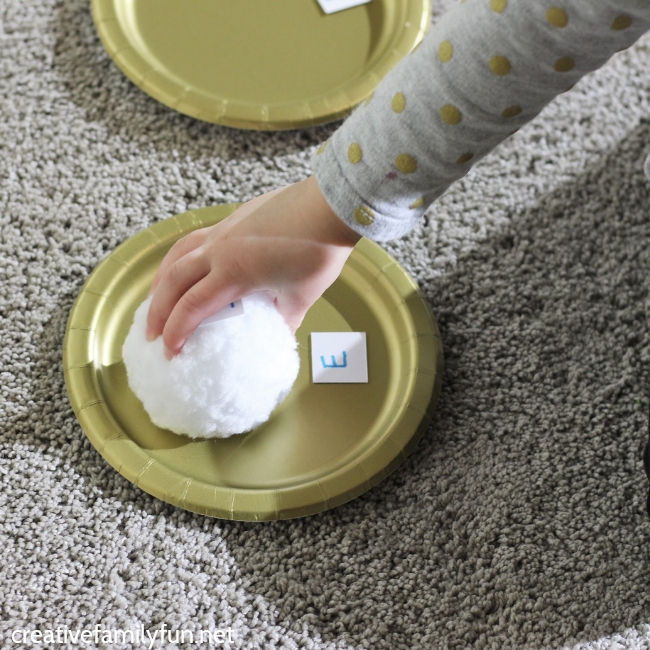
Next, have your child pick up the snowball and find itโ€™s matching letter on a paper plate. Say: โ€œYou have the little (lowercase) letter e. Can you find the big (uppercase) letter E?โ€ Have her place the snowball on the correct letter.

Your toddler or preschooler will have fun moving and learning their abc's with this simple gross motor Snowball Toss Alphabet Game

Keep throwing snowballs and matching letters until you run out.

Then, you can reset the game and play it all over again. Use the same letters or practice different ones. (We stayed on the same set for a while. Weโ€™ll switch out the letters and play again another day.)

Your toddler or preschooler will have fun moving and learning their abc's with this simple gross motor Snowball Toss Alphabet Game

My toddler (age 2.5) and my preschooler (age 4.5) equally enjoyed this snowball toss alphabet game. They loved getting to throw the snowballs at the wall and then had fun finding the right letter.

Sometimes my toddler read the letters upside down and just made a match with whatever he thought the letter was. I had to have him slow down a bit and help him double check the letters.

Your toddler or preschooler will have fun moving and learning their abc's with this simple gross motor Snowball Toss Alphabet Game.

I love how this game gets kids moving and working on gross motor skills (throwing, bending, running, etc.) while practicing the alphabet.

Your toddler or preschooler will have fun moving and learning their abc's with this simple gross motor Snowball Toss Alphabet Game.

More Winter Themed Activities for Toddlers

Practice your numbers with this fun Snow Numbers Activity that uses real snow.

Use snow as a canvas for some Snow Painting.

Make a fizzy snow dough sensory bin.

Try some penguin painting, an easy art project thatโ€™s perfect for toddlers.

Learn your ABCs with this fun gross motor Snowball Throw Alphabet Game for Toddlers

Find All Your Supplies Here

You may already have some of the supplies you need at home. I know I always have a roll of tape and some card stock. But, if you’re looking to buy some of the supplies, here are a few that I recommend.

Subtraction with Manipulatives Math Activity

January 18, 2022 By Terri Thompson

I’ve spent a lot of time tutoring kids in the lower elementary grades. We’ve worked on math a lot.

Time after time, I’ve seen understanding click as soon as I introduced math manipulatives. And, you’ll see it click as soon as you introduce subtraction with manipulatives. Being able to physically touch and see your math problems makes math much more real.

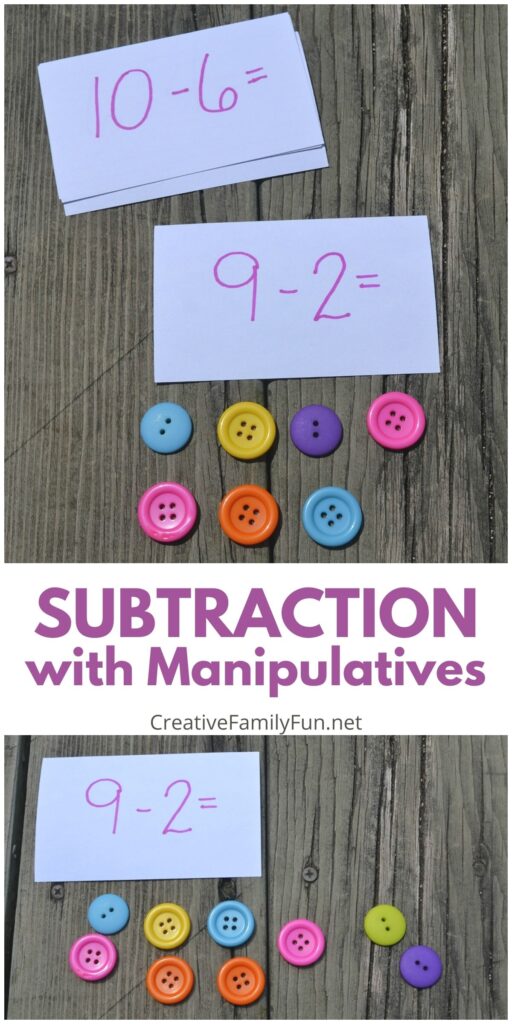
Subtraction using buttons as manipulatives

Disclosure: There are Amazon Affiliate and other affiliate links in this article which means, at no additional cost to you, we could receive compensation for our recommendations. You can read our full disclosure policy on our Disclosure Page for more details.

Why You Should Use Math Manipulatives

Using math manipulatives is a great way to work on counting, addition, subtraction, multiplication, and division. Your child’s fingers will work to move the items. Their eyes will see and make connections. Suddenly a math concept becomes much more clear.

Math manipulatives is a great hands-on way to learn math and understand the concepts.

And you don’t have to spend a lot of money to find these manipulatives. It can be as simple as pulling out the stockpile of buttons or emptying the change jar. You just need something small that you have a lot of.

subtraction with math manipulatives

How To Get Started With Subtraction Using Manipulatives

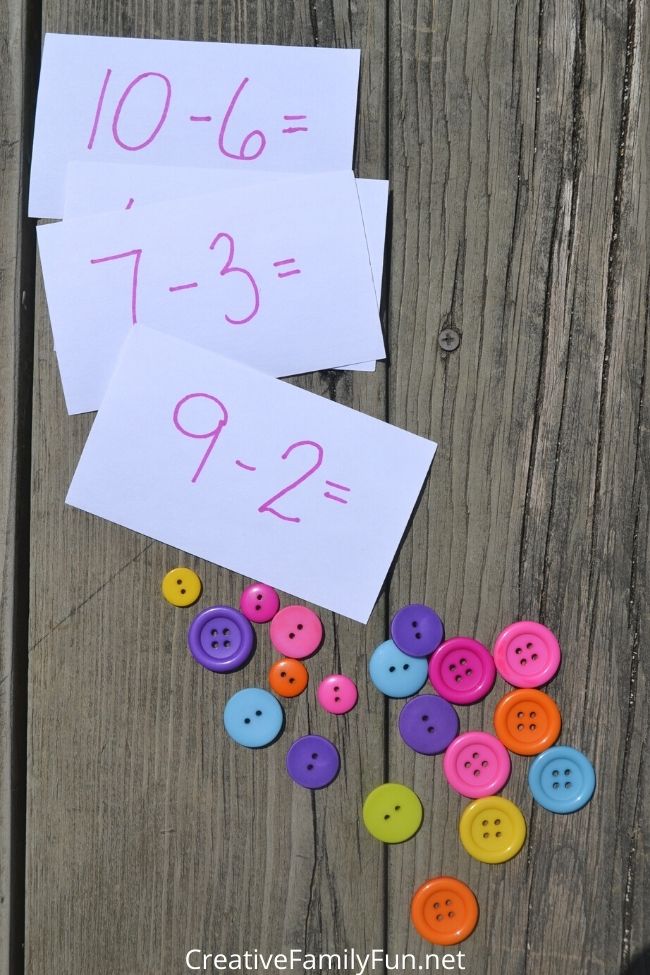
First, you’ll need some subtraction problems. Write them down on some index cards. You can write random problems or choose any group of subtraction facts that your child needs to work on.

Then, you’ll also need some math manipulatives. Choose something small like rocks, mini erasers, buttons, or even LEGO blocks. You just want to make sure you have enough loose parts to work each of your subtraction problems.

Subtraction loose parts math

Subtraction With Loose Parts

Using loose parts helps a child easily see and better understand how subtraction works.

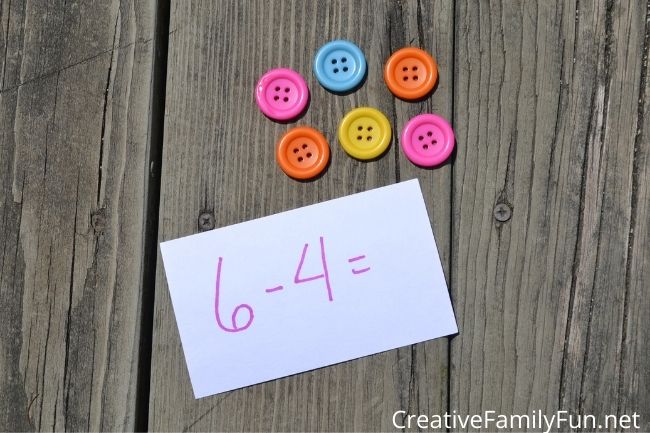
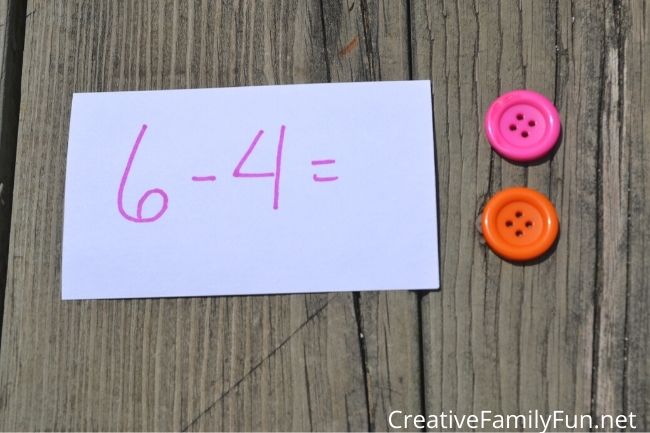
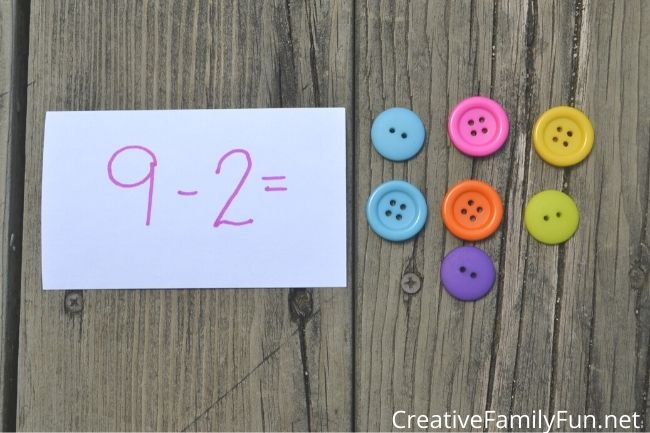
Start with the first number in your subtraction problem and count out that many items. Next, remove the amount of your second number in your math problem. Count up the remaining items and you have the answer to your subtraction problem.

Work through all your subtraction problems using your math manipulatives.

Math Manipulatives used in subtraction

Other Way to Do Subtraction with Manipulatives:

*Use larger numbers. You don’t have to keep your subtraction problems under ten.

*When your child is more comfortable doing subtraction, have them find the answer in their head and then count out the correct number of loose parts for their answer.

*Use this method for doing subtraction on the go. Use rocks, sticks, acorns, or other natural items as your loose parts.

*Take this math activity outside and write your subtraction problems on the sidewalk with chalk. Have your child find the loose parts they need to solve each problem.

Subtraction with Manipulatives math activity

You May Also Like One of These Math Activities:

Build Numbers with a Fun Place Value Activity

Paper Plate Addition Game

Making 10 with Cars

LEGO Tower Subtraction Race at The Kindergarten Connection

Play Dough Subtraction Smash at Mama Papa Bubba

You’ll Love These Math Manipulatives

There is such a wealth of fine motor math manipulatives. Check out some of these options you can use for practicing math, subtraction, and more.

Jack Be Nimble Science Activity

January 10, 2022 By Terri Thompson

I’ve always had a soft spot for nursery rhymes.

My girls grew up with them. We read tons of nursery rhyme books, did a lot of crafts, and now we’re going to do some nursery rhyme science experiments.

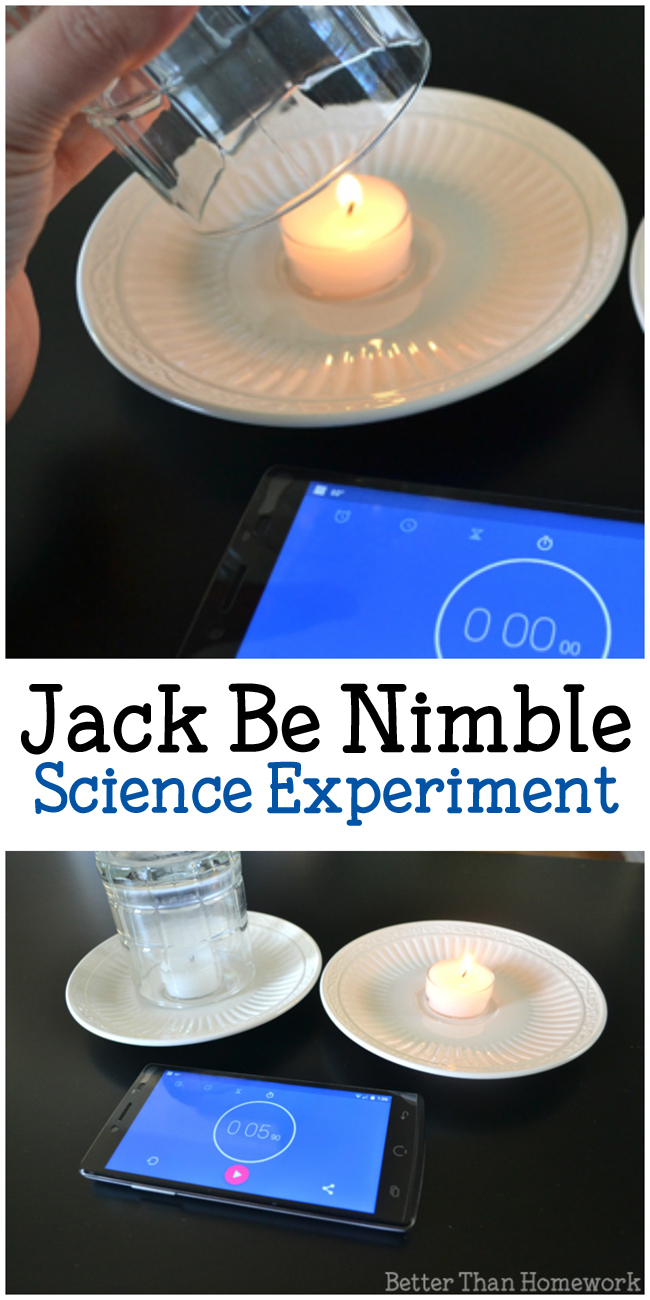
We experimented with candles for this Jack Be Nimble science activity. This candle science project was so much fun!

Explore how fire needs oxygen to burn with this simple Jack Be Nimble science activity for kids. How long will Jack's candle burn?

Disclosure: There are Amazon Affiliate and other affiliate links in this article which means, at no additional cost to you, we could receive compensation for our recommendations. You can read our full disclosure policy on our Disclosure Page for more details.

Before You Begin

This science experiment uses fire. Please use caution and make sure there is an adult helper every step of the way.

Supplies Needed

2 tealights

2 candle-safe saucers or candle holders (we used the saucers from our dishes set)

Lighter

Drinking glass (choose a clear glass one so you can see the candle underneath)

Timer

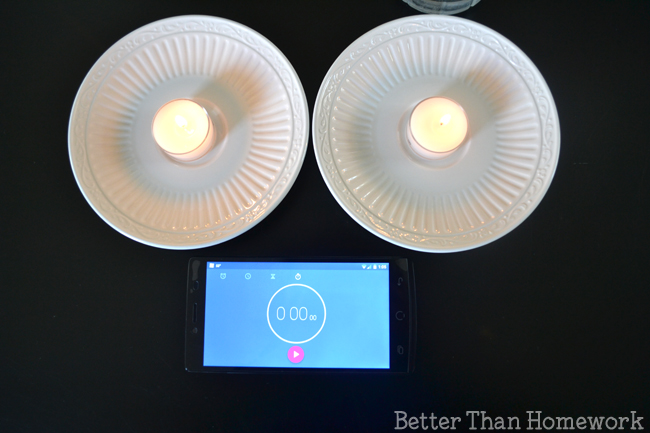
Two tea light candles on saucers with a smart phone timer

How to Set Up Your Jack Be Nimble Science Activity

Set a tea light on each saucer and place them side by side. Make sure there is enough room to put the glass over one of your candles.

Prepare your timer. We used the timer app on my phone.

Finally, light both of your candles.

Everything needs to be set up before you start this experiment.

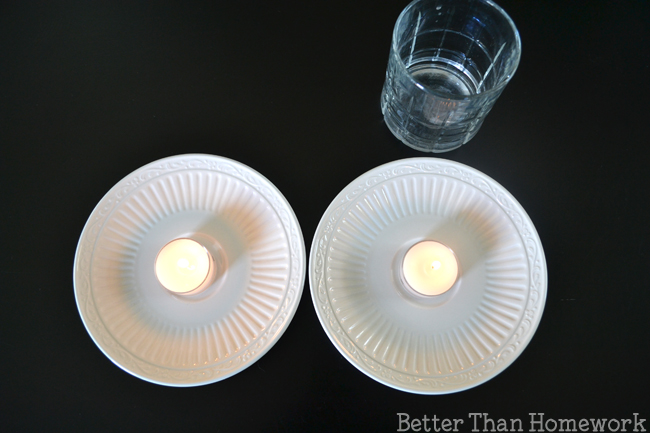
Two tealight candles that have been lit sitting up saucers with a clear drinking glass nearby

Make your predictions

What will happen if you put the drinking glass over one of the candles? Which candle is going to stay lit the longest? How much longer do you think it will be?

Take the time to discuss with your kids about what they think will happen during this experiment.

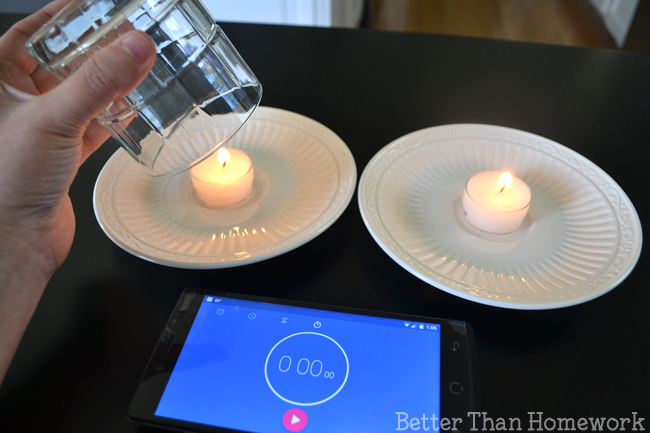
Two tealight candles that have been lit with a hand holding a clear drinking glass ready to set over top of one of the candles.

Do the Experiment

This experiment moves fast, so be ready!

Place your drinking glass over one of your lit candles. Start your timer as soon as you set your glass over the candle.

Hint: It works best if to have one person in charge of the glass and one person in charge of the timer. If you’re working with a child too young to work with the candle, put them in charge of starting the timer!

Keep a watch on the candles. As soon as one candle goes out, stop the timer.

Which candle stopped burning first? How long did it take to go out?

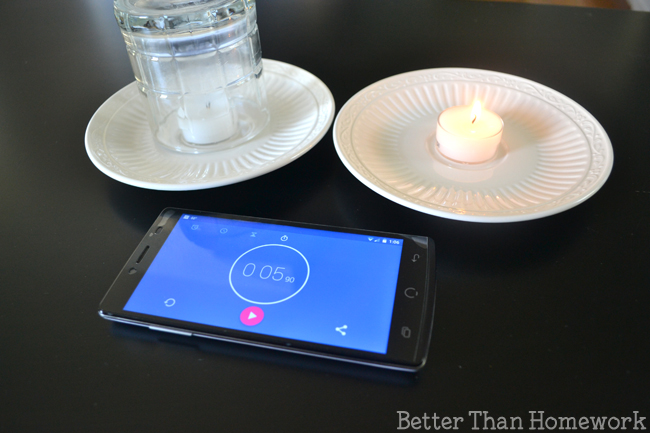
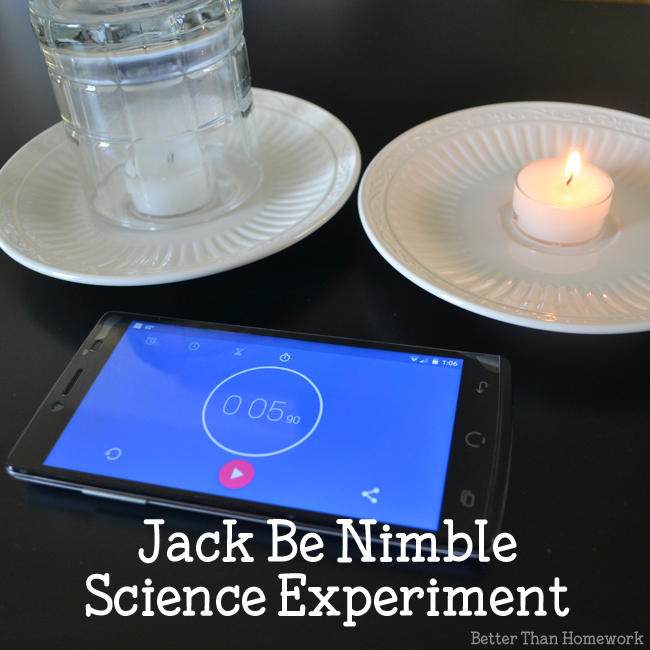
The tealight candle with the clear drinking glass has burnt out and the uncovered candle is still lit. The time has been stopped at 5 seconds.

The science behind this experiment

Fire needs two things to burn: oxygen and fuel. If you take one of these away, your fire will burn out. When we placed the drinking glass over our candle, we reduced the amount of oxygen. It didn’t take long for our fire to use up that bit of oxygen. Our candle burned out in under six seconds! Our second candle had a constant supply of oxygen, so it stayed lit until we blew it out.

What was the result of your experiment? How long did your candle underneath the glass stay lit?

Experiment More

If you want to experiment further, find a second drinking glass that is a different size than the first one. Set up your experiment again and this time put a glass over each of the candles. Which of these candles burnt out first? Why do you think that happened?

Explore how fire needs oxygen to burn with this simple Jack Be Nimble science activity for kids. How long will Jack's candle burn?

You may also like one of these science experiments:

Making Butter – Little House Inspired Science

Fun Kitchen Science Experiments

Chemical Reactions with Pennies

Humpty Dumpty Science Experiments at Science Sparks

My Must-Have Resources for Science Fun

I don’t know about you, but I don’t always have time to prep a fun science project. That’s why I love Green Kid Crafts Discovery boxes. The boxes are packed full of projects that are fun and inviting. You can choose to get a subscription or a one-off box based off of a specific theme. Any one you choose would be a lot of fun!

Here are some of our favorites (you can purchase and find out more at each link):

Get a monthly subscription.

Kitchen Science Box

Physics Box

Find all their fun STEM and science boxes here.

Green Kids Crafts Ad image

STEAM Family Activities

Wouldn’t it be so much fun to get STEAM family activities delivered to your inbox? I think so! That’s why I’ve created this fun series, STEAM Family Fun, to be delivered to your inbox. After going through all the letters in STEAM each week with a fun activity devoted to each, you’ll start receiving a fun STEAM activity once a month. (And I’ll also pop up in your inbox occasionally if I’ve got other fun things to share.)

Fill out the form below to start receiving STEAM Family Fun in your inbox.


STEAM Family Fun Email List Sign Up ad image

Pumpkin Pie Fractions Activity

November 3, 2021 By Terri Thompson

My nine-year-old learned about fractions with pizza. That’s such a yummy idea.

But now that Thanksgiving is coming soon, I needed to come up with another – but equally yummy – idea for fractions.

I thought round and I thought delicious. I thought pumpkin pie. Pumpkin Pie Fractions.

Yum.

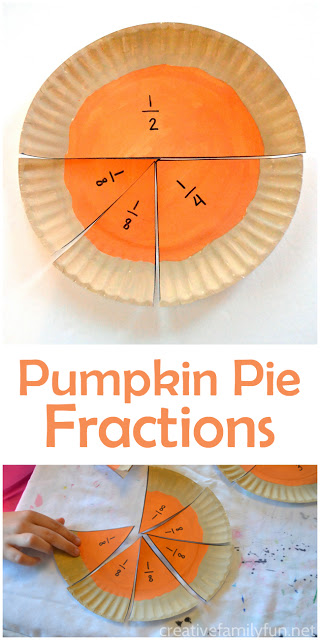
Learn all about fractions with this fun Thanksgiving math activity - Pumpkin Pie Fractions. There are so many different ways to play with this math tool.

This Pumpkin Pie Fractions activity is so easy to create. Once you have it made, it will hold up for hours of hands-on math fun.

Disclosure: There are Amazon Affiliate and other affiliate links in this article which means, at no additional cost to you, we could receive compensation for our recommendations. You can read our full disclosure policy on our Disclosure Page for more details.

Supplies Needed:

4 paper plates
Orange craft paint
Light brown craft paint
Black permanent marker
Ruler
Scissors

How to make your pie fractions:

Start with the paint. Use your light brown paint to paint the ridged edges of your paper plates. This is your crust.

Next, paint the middle section of your paper plates with orange paint. Don’t worry about making sure your lines are straight. Remember, pies never look perfect!

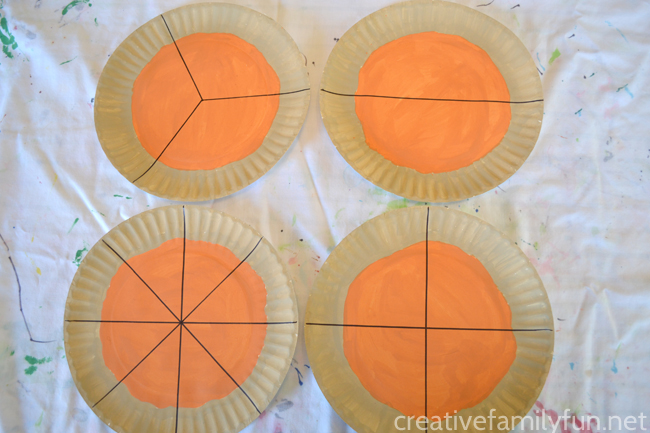
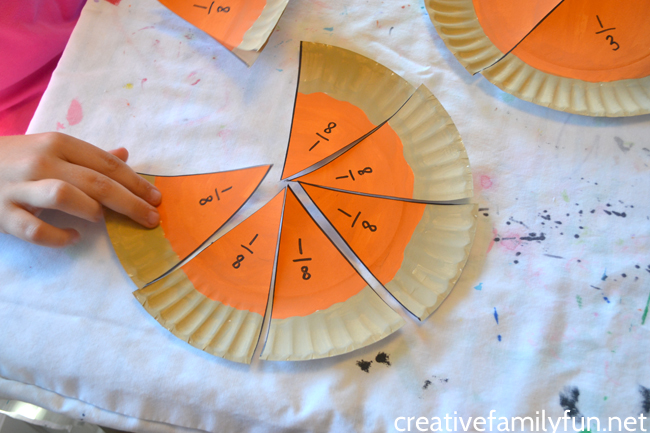
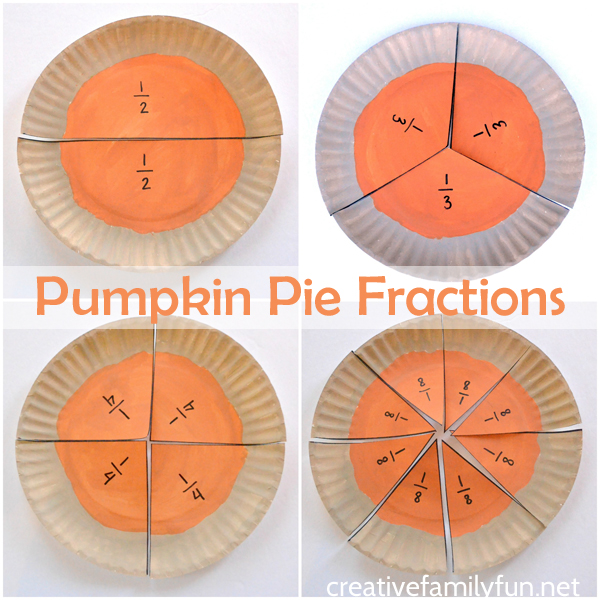
Once your paint is dry, use your ruler to divide the pie into fractions. One pie will be divided into half. Divide the second pie into thirds, the third pie into fourths, and the fourth pie into eights. Trace your lines with your black permanent marker.

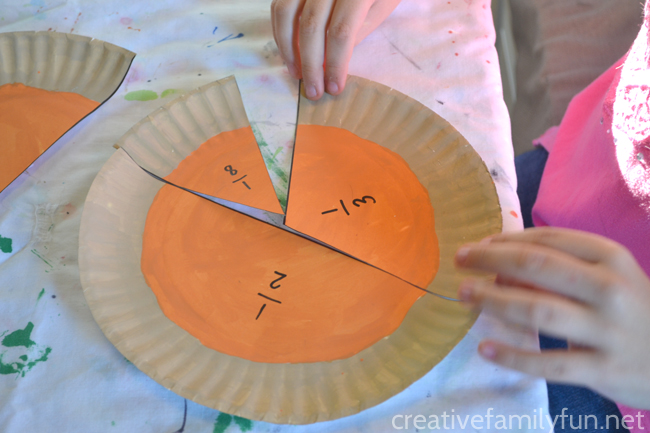
Label each of the pies with the corresponding fraction using your permanent marker.

Finally, cut each pie along the dividing lines.

Your pumpkin pies are ready!

How can you play with your Pumpkin Pie Fractions?

Use them as puzzles.

Give your kids a pile of mixed up pie pieces and have them put each pie together. They’ll have to match the type of fraction and then make a whole pie. This is a great way to easily see how many of each fraction makes a whole.

Make equal pie wedges (make equivalent fractions).

How many quarter pieces do you need to make a half piece. Use the bigger wedge as a guide to fill in with smaller pieces.

Make a mixed up fraction pie.

Can you make a whole pie using different sized fractions? Let you kids experiment to find different combinations.

Build other fractions with your pie pieces.

Make a 3/8 wedge by putting together three 1/8 wedges. Or make 3/4 with three of the quarter pieces. What other sizes can you make?

Learn all about fractions with this fun Thanksgiving math activity - Pumpkin Pie Fractions. There are so many different ways to play with this math tool.

Let their homework be the guide.

What is your child working on in class? Use your pie as a hands-on tool to supplement their learning at home. If you need more pie sizes (maybe divided into fifths, sixths, or sevenths), just grab a few more paper plates.

Let your kids lead the way.

My girls set up a pie shop and sold all their different wedges. They had no idea how much they were learning along the way! I just sat back and let them have some fun.

How would you use these Pumpkin Pie Fractions?

More Thanksgiving Activities to Try:

Tell Time with a Turkey Clock

12 Turkey Crafts for Thanksgiving

Printable Thanksgiving Word Searches for Kids

Thanksgiving Math Activities for Kids

Turkey Craft using Pattern Block Shapes at Buggy & Buddy

Learn all about fractions with this fun Thanksgiving math activity - Pumpkin Pin Fractions. There are so many different ways to play with this math tool.

My Must-Have Math Resources:

Sometimes, as much as you want to prep a fun hands-on math activity, you just don’t have the time. That why I love having a few math games on hand.

Here are some great options. Your kids will have so much fun that they won’t realize how much they’re learning.

  • « Go to Previous Page
  • Page 1
  • Page 2
  • Page 3
  • Page 4
  • Page 5
  • Interim pages omitted …
  • Page 61
  • Go to Next Page »

Primary Sidebar

Footer

Categories

Archives

Copyright © 2026 ยท Designed by The Blog Surgery

Creative Family Fun uses cookies to improve your experience. These cookies provide feedback to our analytics and advertisers. We use the information to track views of the site, where you go and to know if you are a regular visitor or brand new as well as provide a personalized experience where possible. We'll assume you're ok with this, but you can opt-out if you wish.Accept Reject Read More
Privacy & Cookies Policy

Privacy Overview

This website uses cookies to improve your experience while you navigate through the website. Out of these, the cookies that are categorized as necessary are stored on your browser as they are essential for the working of basic functionalities of the website. We also use third-party cookies that help us analyze and understand how you use this website. These cookies will be stored in your browser only with your consent. You also have the option to opt-out of these cookies. But opting out of some of these cookies may affect your browsing experience.
Necessary
Always Enabled
Necessary cookies are absolutely essential for the website to function properly. This category only includes cookies that ensures basic functionalities and security features of the website. These cookies do not store any personal information.
Non-necessary
Any cookies that may not be particularly necessary for the website to function and is used specifically to collect user personal data via analytics, ads, other embedded contents are termed as non-necessary cookies. It is mandatory to procure user consent prior to running these cookies on your website.
SAVE & ACCEPT